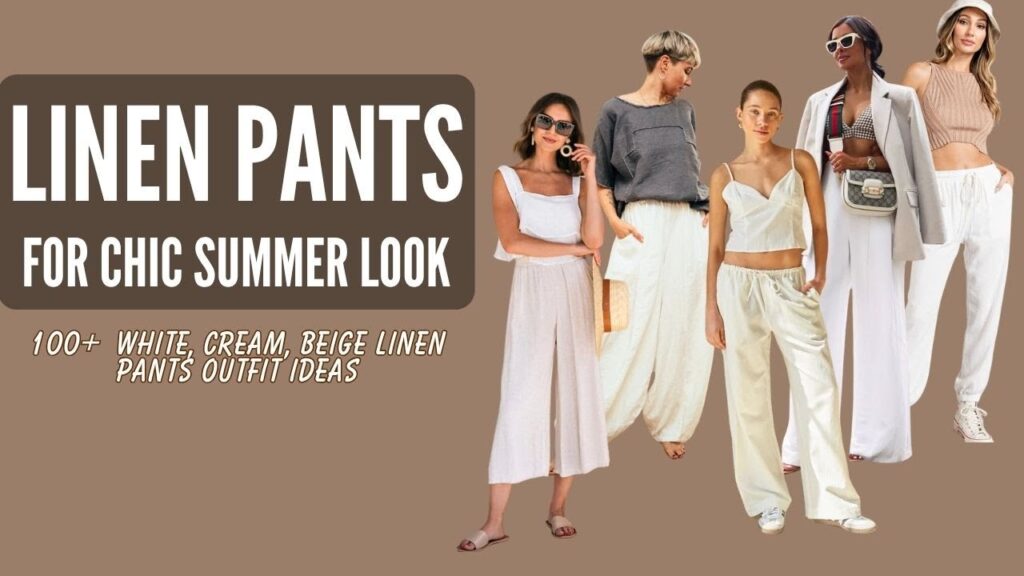
Linen pants are a well-known and widely used type of hot-weather clothing. Their lightness and easy movement are the main reasons why they are so popular. The production process of planting, harvesting, and processing the flax plant into fibers is what makes the pants so breathable and tolerable in heat. A natural look with slight wrinkles is a feature sought after by many, which even adds to the overall relaxed and casual charm of the outfits where the pants are incorporated. This guide will inform you among other things of the pros, and the care instructions, and will give you hints on how to wear them really well. You will not only get practical advice but also the ones based on real life experiences of the fashion experts and regular users. Linen pants go very well with casual or slightly dressed settings and thus they are among the most versatile wardrobe items found in different parts of the world. The fabric has its originality from ancient times and thus is able to provide modern styles with a timeless appeal.
Table of Contents
ToggleUnderstanding Linen Pants
Material Basics
Flax is the plant source of linen fabric, and the fibers from it are spun into threads by the workers who then weave them into cloth. The whole operation begins with the harvesting of flax stems followed by the immersion in water, a process known as retting, which separates the fibers. The fiber, after being dried and combed, is ready for spinning to become yarn for weaving. Linen Pants has long been acclaimed for its durability and the capacity to absorb moisture without the wearer feeling hot. Sometimes it is blended with cotton or wool to give it more properties like warmth or less wrinkling. Pure linen has a crisp texture that gradually softens with wear and washing. The fabric in the form of pants, for instance, leads to the making of items that naturally flow with the body, and thus distance themselves from the stiffness often found in the case of synthetic fabrics. The whole process of production revolves around the use of nature’s methods which at times require very little water compared to the case of production of other textiles. The main emphasis is on sustainable practices from flax growing, that eventually result in an eco-friendly product hence the linen pants are a smart choice for the comfort seekers who are also conscious of the environment.
Production Process
Flax is cultivated by farmers in cooler regions and harvested once its stalks are yellow. The upcoming procedure is retting, whereby the stalks are kept either in water or dew to disintegrate the outer layer. Scutching is the process that separates the woody material leaving behind the soft fibers. Hackling is the process of combing the fibers to arrange them into fine strands that can be spun. Weaving on the looms provides the open structure that is typically associated with linen. Dyeing takes place either before or after the weaving with natural colors that do not fade. For trousers, cutting and stitching entail the specifics such as pockets or drawstrings. Quality control does the verification of the texture to be uniform and of the seams to be strong. Certain brands rely on organic practices to stay free of chemicals, thus being attractive to the health-conscious market segment. The entire process from the field to the finished product requires a lot of skill and time, but it results in quality long-lasting garments. Linen trousers produced through this method can withstand more wear than many other types, thus making them characterize by aging. The carefulness at these steps leads to the pieces that last for several seasons while still possessing the light quality.
History of Linen Pants
Ancient Origins
The first evidence of linen use dates back to the caves of the Stone Age. The linen, found in the form of dyed flax fibers, dates from 30,000 years ago. Linen was also the foremost material of the Ancient Egyptians when clothing and rituals were concerned. They considered the fabric pure, thus linked to the gods. Hence, mummification practices involving linen sheets were symbolic of the individual’s status. In the aftermath of Egyptian linen production, the techniques were brought to other regions, as evidenced by the found linen in the Swiss sites dating 8000 BC. People in the Middle East and Europe wore linen as part of their daily life and also traded. In certain localities, linen was so highly valued that it became a kind of currency. Weavers had developed and perfected their techniques to the point where even the upper classes were provided with the finest quality cloths. The creation of pants came later, while the use of linen remained more for the still quite loose garments that made it comfortable in hot weather. This ancient history reveals the importance of linen in human life, from the most basic needs to cultural icons. The same legacy is the mother of today’s modern Lino pants fashion.
Evolution Through Time
In the course of the medieval ages, the people of Europe used linen as something very basic for their household and garment items. The garment makers made it into tunics and underwear. The trade roads extended the area where linen was known and used, so its popularity grew. During the 18th and 19th centuries, the use of industrial machines for the process of production made it so much available and thus, cheaper. The people living in the colonial times of the warmer areas used linen for practical reasons, for example, the Australians found that the coolness of the fabric was fit for the climate. The fashion then was designed for fitted pants and there were also made linen versions for the summer. The linen was thus met with the poshities of casual wears and suits by the designers in the 20th century, thus marrying the old with the new. Today, the trends like sustainability bring back the interest in natural fibers and one of the main ones is linen. The generation of pants made of this fabric shows the chemical society change from luxury to everyday indispensable. This advancement makes the linen pants very much a part of today’s closets.
Benefits of Linen Pants
Breathability and Moisture Control
The open weave of linen allows air to flow through it easily, thus, keeping the body cool in warm conditions. The fabric absorbs sweat and lets it evaporate quickly. This quality during active days or humid conditions prevents sticky feelings. Linen trousers are fitted for tropical or summer places, giving comfort where other fabrics retain heat. The natural fibers fight bacteria, thus, over time, they eliminate odors. The users of linen pants stay fresh longer without wearing changes being so frequent. In Australia, for example, this feature makes linen a daily life favorite. The light weight also contributes to comfort, hence, no bulkiness as heavier cloths do. Workers in hot occupations or those who engage in outdoor activities find linen pants a practicable solution for the comfort issue. Being a fast-drying material, it is also good for use after a light rain or swimming. All in all, these characteristics place linen trousers at the top of the list of perfect options if one wants to be dry and cool.
Durability and Longevity
Linen fibers are stronger than cotton in most instances and the difference might be as high as 30%. Therefore, linen pants can endure the impact of regular wear. When treated with care, the linen fibers are able to develop the softness and improve the feel of the fabric without losing the shape of the fabric. The strength of the fabric results in the need for fewer replacements, which in turn saves resources over time. Linen is also very resistant to getting ball-like knots and losing its color which makes its look fresh throughout the washing process. It also gets extra toughness when blended with other fibers thus meeting the requirements of a variety of applications. The manufacturers not only make seams but also create details that are in tune with the fabric’s strength, thereby guaranteeing that pants will last even in travel or work situations. The fabric of linen does not change its properties but rather develops a unique patina over time which many people appreciate. The durability of linen supports the sustainable choices that one pair of pants can be worn through different seasons. Consumers claim that their linen pants will last longer compared to the similar ones made of synthetic sources. The cost of the investment is justified by the reliability and minimization of waste.
Eco-Friendly Aspects
Flax is a very green crop since it grows with less water and less exposure to chemicals compared to the others. The plant usually survives in natural conditions without the use of strong pesticides. The biodegradable fibers can return to nature without causing any harm to the soil, unlike plastics. The production process conserves resources as the majority of the flax plant is used in some way or the other. Organic sources of linen are attractive to the eco-conscious customers. Quality of the material leads to a reduction in the number of times a person has to buy so overall consumption is low. Some companies pay absolute attention to the workers being treated fairly while these clothes are being produced. By wearing linen you are indirectly supporting the farmers who do crop rotation for better land fertility. This fabric brings about slower trends in fashion opposing that of fast disposable items. Those on a quest for responsible clothing would consider linen pants to be perfect for that purpose.
Drawbacks of Linen Pants
Tendency to Wrinkle
Linen creases easily due to its natural structure, creating lines after sitting or moving. This look adds casual appeal but may seem untidy in formal spots. Steam or light ironing smooths it out, though effort is needed. Some prefer the wrinkled style as part of linen’s charm. In humid areas, creases form faster, requiring more attention. Blends with synthetic fibers reduce this issue but alter the pure feel. For travel, rolling pants helps minimize folds compared to folding. Users learn to accept or manage this trait for the other positives linen offers. While not a flaw for everyone, it influences choices for polished occasions.
Limited Use in Cold Weather
Linen lacks insulation, making it less suitable for chilly days. Airy weave lets cold air in, leading to discomfort outdoors. Layering with warmer pieces helps, but heavier fabrics work better alone. In winter, linen pants stay in storage for most. Blends with wool add warmth for transitional seasons, extending wear. Rain soaks linen quickly without repelling water, so dry climates fit best. People in varied weather mix linen with other options seasonally. This limit keeps linen focused on summer roles.
Potential for Shrinkage
Washing in hot water causes linen to shrink, changing fit. Cold cycles and air drying prevent this problem. Pre-washed fabrics from makers reduce risks. Careful label reading guides proper methods. Once shrunk, resizing proves hard, so prevention matters. Users test small areas if unsure. With time, linen stabilizes, but initial care sets the tone. This aspect teaches mindful habits for keeping pants in shape. Linen shrinks if exposed to high heat in washing or drying. Sticking to gentle, cool settings avoids size changes. Many brands treat fabric to limit this effect before selling. Checking care tags provides specific advice for each pair. If shrinkage occurs, professional help sometimes restores form, though not always fully. Over time, consistent cool handling keeps dimensions steady. This potential draws attention to routines that preserve the original cut and comfort. Learning these steps ensures linen pants remain reliable wardrobe staples.
Types of Linen Pants
Relaxed and Casual Styles
Loose cuts with straight legs offer room for movement, ideal for daily tasks or vacations. Drawstring waists add adjustable comfort without belts. Jogger versions taper at ankles, blending sporty and relaxed vibes. These suit beach walks or home lounging, pairing well with simple tops. Fabrics in lighter weights enhance the easy feel. Colors like beige or olive keep looks grounded. Many include pockets for practicality. This type appeals to those wanting effortless options. Versatility comes from mixing with various shoes, from sandals to sneakers.
Tailored and Structured Options
Slimmer lines with defined waists create polished appearances for work or events. Pleats or flat fronts add subtle detail. Higher rises elongate legs, suiting different body shapes. These pants work in offices when matched with shirts. Medium weights provide shape without stiffness. Neutral tones like navy or grey fit professional settings. Quality stitching ensures they hold form. This style bridges casual and formal, offering flexibility. Users value the refined edge in social gatherings.
Blended Variations
Mixes with cotton soften texture and cut wrinkles. Wool adds warmth for cooler months, extending season use. Silk blends bring shine for evenings. These hybrids balance linen’s breathability with other traits. Fits range from relaxed to fitted, meeting diverse needs. Colors hold better in blends, with patterns possible. Durability often increases, making them sturdy choices. This type attracts those seeking customized features in linen pants. Innovation in fabrics keeps options fresh.
How to Choose the Right Linen Pants
Considering Fit and Body Type
Measure waist and inseam for accurate sizing. Lean builds suit tapered legs, while athletic ones need thigh room. Larger frames benefit from higher rises. Try relaxed cuts for comfort or tailored for sharpness. Fabric weight matters: light for heat, heavier for structure. Check movement in store or online reviews. Good fits drape without pulling. Adjustments like hemming personalize. This approach leads to satisfying selections. Comfort guides the best choices. Take body measurements for waist, hips, and length to match charts. Slim figures work with straight or slim legs to avoid excess fabric. Muscular legs require pleated or relaxed thighs for ease. Taller people look for longer inseams, shorter ones for crops. Test sitting and walking to ensure no restrictions. Online tools from brands aid in picking. Quality fits enhance confidence in wear. Focusing on these details results in well-suited linen pants. Personal shape influences ideal styles.
Selecting Colors and Patterns
Neutral shades like sand or white blend easily with outfits. Earth tones such as olive or brown add warmth. Darker blues or greys suit evenings. Avoid bright colors if seeking versatility. Subtle stripes or checks offer interest without overwhelming. Fabric takes dyes well, holding hues through washes. Consider skin tone for flattering picks. This variety allows matching to personal taste. Simple palettes keep linen pants timeless. Pick shades that complement existing clothes, starting with basics like beige or navy. Lighter colors reflect sun for cooler feels in heat. Deeper ones hide stains better for active use. Patterns in fine lines add detail for casual looks. Test how colors appear in different lights. Brands offer swatches sometimes. Building a collection around core tones maximizes use. Choices reflect individual style in linen pants. Thoughtful selection ensures lasting appeal.
Evaluating Quality and Price
Look for even weaving and strong seams as signs of craftsmanship. Higher thread counts suggest smoothness, though linen focuses on fiber quality. Check labels for pure linen or blends. Reputable brands often provide details on sourcing. Prices vary with materials: basic pairs cost less, custom ones more. Balance budget with expected use. Reviews highlight longevity. Investing in quality reduces replacements. Good value comes from durable pieces. Inspect fabric for consistent texture and no thin spots. Reinforced pockets and buttons add to sturdiness. Origin of flax affects quality, with European often praised. Compare costs across sellers for deals. Mid range options offer solid performance without excess. Factor in care needs for long-term savings. User feedback guides reliable buys. Prioritizing these elements leads to worthwhile linen pants. Smart assessment matches need to products.
Styling Ideas for Linen Pants
Casual Outings
Match linen pants with light tees or tanks for relaxed days. Add sandals or sneakers for foot comfort. Neutral colors create easy ensembles. Layer a denim jacket if cooler. Accessories like hats or bags complete the look. This setup works for brunches or walks. Olive or beige pants pair well with white tops. Keep pieces breathable for harmony. Women might tuck blouses, men leave untucked. Versatility shines in simple combinations. Effortless style emerges from these pairings.
Office or Professional Settings
Tailored linen pants with button-down shirts offer polished vibes. Add loafers or low heels. Blazers in light fabrics elevate without heat. Belts in leather match tones. Keep colors muted like navy or khaki. Tuck tops for neatness. These fits work meetings or events. Structure balances linens relax. Accessories stay minimal, like watches. Blends help reduce creases for longer wear. Professional appeal grows from thoughtful layers. Choose fitted cuts to maintain sharp lines in offices. Pair with collared blouses or polos. Footwear in neutral leathers adds finish. Lightweight cardigans handle air conditioning. Stick to solids for focus. This arrangement suits daily routines or presentations. Linen’s breathability aids long hours. Simple jewelry enhances without distraction. Adapting styles keeps outfits fresh. Linen pants prove adaptable in business contexts. Balance comes from mixing textures.
Evening or Date Looks
Wide-leg linen pants with silk tops create elegance. Strappy shoes and jewelry add sparkle. Deeper shades like black or tan set moods. Crop jackets or vest’s structure flow. Clutches hold essentials. This works for dinners or outings. Textures like satin contrast nicely. Keep hair and makeup natural. Confidence rises from comfortable fits. Linen pants lend sophisticated ease to nights. Romantic settings benefit from these ideas. Opt for defined waists in evening wear. Combine with fitted tanks or blouses. Heels in metallic or suede boost height. Layer scarves if breezy. Colors in espresso or navy deepen impact. This setup fits dates or parties. Accessories bring personality. Linen’s drape flatters movement. Experimenting with pieces builds unique styles. Linen pants support graceful appearances after dark. Charm unfolds in balanced outfits.
Beach or Vacation Attire
Roll hems on linen pants for sand avoidance. Top with cover-ups or button downs. Slides or flip flops ease walking. Hats and sunglasses protect. Light colors reflect sun. Pockets hold small items. This suits coastal trips or pools. Gauzy fabrics flow in winds. Layer swimsuits underneath. Linen pants dry fast post swim. Relaxation defines these combinations. Vacation wardrobes thrive with them. Crop styles prevent dragging in water edges. Pair with oversized shirts untucked. Footwear in rubber or leather handles wet spots. Bags in straw carry towels. Pastels or whites brighten scenes. This arrangement aids travel light. Breathability counters humidity. Simple ties at waists adjust fits. Linen pants excel in leisure spots. Memories build in comfortable gear. Ease marks vacation dressing.
Seasonal Adaptations
In spring, layer linen pants with sweaters. Wool blends warm mild days. Darker colors suit changing weather. Boots or closed shoes ground looks. This extends use beyond summer. Fall calls for jackets over tees. Textures mix for interest. Linen pants transition smoothly with additions. Creativity keeps them in rotation year-round. Weather shifts inspire fresh pairings. Add knits or overshirts for cooler mornings in spring. Choose heavier weights for structure. Tones like charcoal or brown fit autumn vibes. Layer scarves or vests as needed. This flexibility makes linen pants multi-season. Experiment with accessories for variety. Durability handles frequent changes. Linen adapts well to mild climates. Styles evolve with temperatures. Practicality shines in adjustments.
Care and Maintenance Tips
Washing Guidelines
Use cold water on gentle cycles for linen pants. Mild detergents clean without damage. Avoid overloading machines to prevent twists. Hand washing suits delicate pairs. Rinse thoroughly to remove soap. These steps preserve color and shape. Air drying flat keeps dimensions. Hang in shade to avoid fading. Proper washing extends life. Routine care maintains quality. Select cool settings to wash linen pants safely. Gentle soaps work best for fibers. Keep loads small for even cleaning. Spot treat stains before full washes. These habits stop shrinkage and wear. Dry away from direct sun. Iron damp if smooth finish desired. Attention to details rewards with lasting pieces. Linen responds well to kind treatment. Simplicity in methods yields results.
Ironing and Storage
Steam while slightly wet for easy wrinkle removal. Medium heat irons reverse side. Roll for packing to lessen creases. Store hanging or folded in cool spots. Avoid tight spaces that crush fabric. These practices keep pants ready. Occasional steaming refreshes between wears. Linen benefits from breathing room. Care like this sustains appearance. Organization aids preservation. Apply steam to damp linen pants for smooth results. Use irons on inside to protect surface. Pack by rolling to cut folds during trips. Hang in wardrobes with space or fold neatly on shelves. Dry, ventilated areas prevent mustiness. Refresh with light mist if stored long. These techniques maintain crispness. Linen stays fresh with minimal effort. Habits form for easy upkeep. Thoughtful storage pays off.
Handling Common Issues
Spot clean spills quickly with mild soap. For odors, air out in fresh spaces. If colors fade, wash less often. Reinforce loose seams early. These fixes address typical problems. Linen softens naturally, so embrace changes. Professional cleaners handle tough stains. Maintenance keeps pants functional. Experience teaches effective solutions. Proactive steps avoid bigger fixes. Treat marks on linen pants with gentle dabs, avoiding rubs. Hang outside for natural deodorizing. Reduce washes to hold dyes longer. Sew small rips promptly for strength. These actions manage wear. Time brings softer texture, a positive trait. Seek experts for complex care. Consistent efforts sustain usability. Knowledge builds from practice in handling. Reliability follows from care.
Conclusion
Although linen pants are known to wrinkle easily, this drawback can be managed with simple care habits such as proper ironing, steaming, or choosing blended fabrics. Embracing their natural texture also adds a relaxed, effortless charm, making wrinkles less of a concern for everyday wear. With minimal effort, linen pants remain neat and stylish throughout the day.