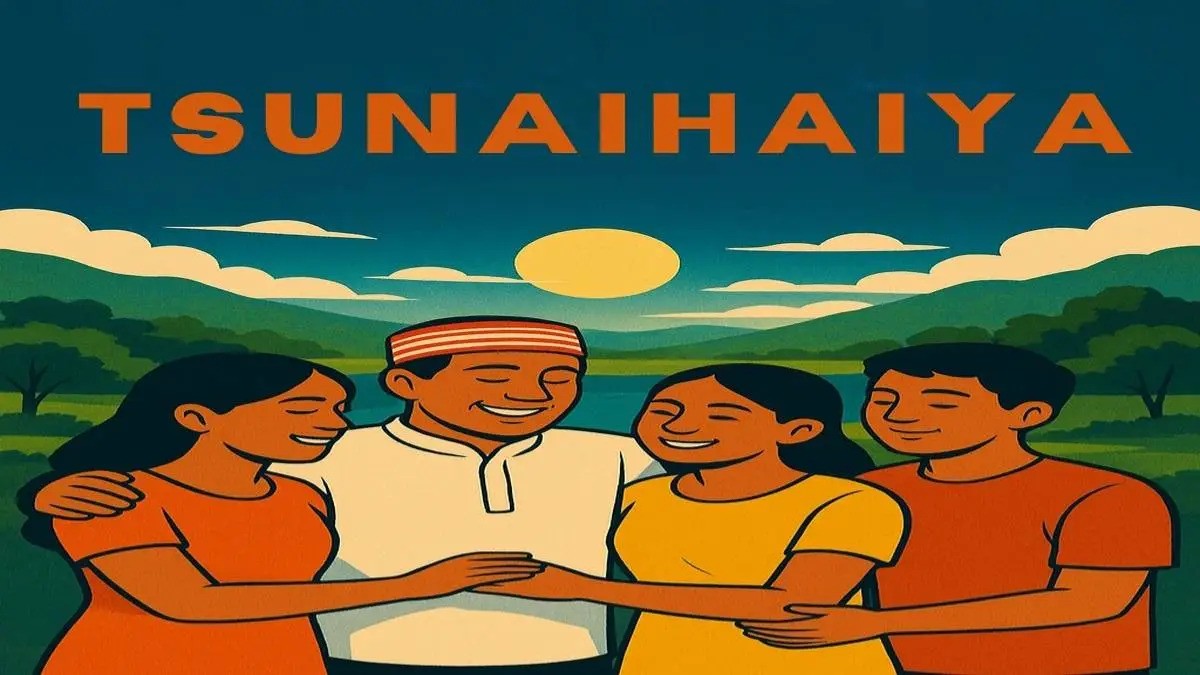
Tsunaihaiya is more than just a word. It’s a powerful chant that brings people together, full of history and meaning. In today’s busy world, where old traditions sometimes get lost, Tsunaihaiya reminds us of unity and strength. It comes from indigenous groups, like Native American tribes, and has been passed down through stories and songs. This chant stands for harmony, new beginnings, and a sense of belonging that everyone can feel.
Think about how Tsunaihaiya connects the past with the present. It started as part of rituals and now shows up in art, music, and even jewelry. We’ll look at where it came from, what it means, and how it lives on today. Whether you’re interested in old cultures, creative ideas, or just learning something new, Tsunaihaiya has a story that can touch your heart. It’s like a bridge between different worlds, showing how shared experiences can make us stronger.
This article will guide you through its history, symbols, and modern uses. We’ll see why Tsunaihaiya is still important and how it inspires people around the globe. By the end, you’ll understand its true power and maybe even feel its rhythm in your own life.
The Etymology and Linguistic Roots of Tsunaihaiya
Tsunaihaiya has a sound that feels alive, like waves crashing or people calling out together. It likely comes from indigenous languages, mixing Native American words with rhythmic styles that remind some of Japanese songs. The part “tsunai” might mean a strong connection or a surge, like waves linking different shores. “Haiya” adds a joyful shout of togetherness and fresh starts. This mix shows how Tsunaihaiya links old spoken traditions with deep symbols.
In native communities, Tsunaihaiya wasn’t written down much. It lived in stories told by mouth, where its beat helped remember important lessons and group memories. Different tribes changed it a bit, like using it for sunrise ideas in Apache groups or strength themes in other Native American ways. This shows how flexible it is, and it helps us learn about how sounds build who we are.
Today, people use Tsunaihaiya in new ways, like in podcasts or fun online posts, to bring back feelings of the past and unity. Understanding these roots helps us respect how it grew from simple spoken words to something known worldwide. It’s not just a definition; it’s something you feel when you say it.
Historical Origins: Tracing Tsunaihaiya Back to Indigenous Traditions
Tsunaihaiya started long ago in the stories of Native American people, especially Apache tribes. It was a chant used in special times, like seasons changing, to celebrate new life and safety. Before outsiders came, it stood for the sun rising each day, a sign of hope even in hard times. Elders shared it through talks about surviving and staying close to nature. Not many written records exist because it was all spoken, but it tied to harvest events and warriors coming home, showing group power.
When Europeans arrived and changed things, Tsunaihaiya became a way to fight back quietly and keep culture alive. Older people hid it in secret tales to protect it from being forgotten. This shows the strong spirit of native people, facing big changes but holding on to their ways. It’s like a symbol of not giving up, fitting into bigger stories about how old habits survive tough history.
Looking back, Tsunaihaiya connects to ideas like tribe ceremonies and keeping traditions going. Its changing nature through time shows how alive these customs are, not stuck in books but growing with people. In the end, these beginnings tell us Tsunaihaiya is a link from old struggles to today’s pride in native ways.
The Philosophical Core: What Does Tsunaihaiya Truly Symbolize?
Deep down, Tsunaihaiya is about being connected to everything around us. It comes from beliefs where people, nature, and spirits are all one big family. Like the sun coming up every morning, it means starting fresh and finding balance in life’s ups and downs. This idea feels like calm harmony, similar to some Eastern thoughts, but it’s rooted in native views. It’s more than words it’s a way to think about staying strong alone and together.
In today’s world, where many feel alone, Tsunaihaiya pushes for group harmony and spirit renewal as ways to feel better. Native thinking sees it as giving back to the earth, which fits well with talks about caring for the planet now. It’s a reminder that we’re all linked, and that can help us be kinder.
To make it simple, Tsunaihaiya is a chant that joins what we see with what we can’t, building understanding through its beat. Its big ideas keep you thinking without being too hard. Taking in this way of seeing things means adding unity to your everyday actions, turning deep symbols into real steps you can take.
Tsunaihaiya in Rituals and Ceremonies: A Gateway to Communal Bonding
In rituals, Tsunaihaiya turns normal meetings into special moments. People say it together to ask for protection and say thanks during festivals or big life changes. In Apache ways, it’s chanted at early morning events, matching voices with the sun coming up to show life goes on. This way of doing it makes feelings stronger, changing single voices into a big group cheer of yes.
Now, in new versions, it mixes with things like drum groups to keep its place in healing meetings for getting over bad times. This shows how Tsunaihaiya can change, fitting into words like native ceremonies and culture habits. The back-and-forth style in these events flows like the chant itself, making stories easy to follow and fun.
People who join often say they feel like they belong more, showing how it can help heal. Through these rituals, Tsunaihaiya keeps community feeling real, where shared sounds fix breaks and remember those who came before.
Artistic Expressions: How Tsunaihaiya Inspires Visual and Performing Arts
In pictures and crafts, Tsunaihaiya shows up in detailed bead designs and paintings that catch the sun’s rise, using colors like warm reds for toughness and bright golds for new starts. Native artists put it into carved pieces that look like tied threads of old ways, drawing people who search for native art.
On stage, its beat comes alive in dances at big gatherings, where movers match steps to its sound, or in music mixing wind instruments and drums. It even goes into plays telling stories of culture coming back. Think of a dancer moving smoothly like waves, showing bonds that last.
Artists love Tsunaihaiya because it sparks ideas in many forms. For example, in drawings, it might be a big sun with lines that flow like the chant’s rhythm. Sculptors use metal or wood to shape symbols of unity, making pieces you can touch and feel the history. This helps people see the emotion behind the word.
In shows, musicians add Tsunaihaiya to songs that blend old tunes with modern sounds, creating something fresh. Dancers use it to tell stories through body moves, like at festivals where everyone watches and feels the energy. These expressions keep the chant alive and share it with more people.
Overall, Tsunaihaiya in art proves that traditions can grow and inspire, turning simple ideas into beautiful works that connect us all.
The Fusion of Cultures: Tsunaihaiya’s Bridge Between Native American and Japanese Influences
Tsunaihaiya became a jewelry name in 2012, mixing Apache metal work’s strong signs with Japanese simple beauty. The maker, Craig Dan Goseyun from San Carlos Apache, worked with Yusuke Kuwano from Japan to make items that tell sun stories in clean shapes and rough silver. This join honors mixing cultures, a big idea in world history talks. To add more The fusion started with shared respect for nature and craft. Apache silver often has bold patterns from the land, while Japanese style loves imperfect beauty. Together, they create jewelry that’s both strong and gentle, like a necklace that catches light like a sunrise.
This blend has grown to include other items, like scarves or rings, each carrying a piece of both worlds. People wear them to feel connected to far places. It’s a good example of how cultures can learn from each other without losing their own ways. Tsunaihaiya’s bridge helps us see that differences can make something better, building understanding one piece at a time.
Tsunaihaiya in Literature and Storytelling Narratives of Identity and Renewal
Books use Tsunaihaiya in tales about finding who you are, where main people say it during searches for home, meaning inner peace. Writers pull from mouth stories, using it for family healing in life books about Apache strength. In poems, its beat makes short lines mixing native pictures with quick Japanese style, adding to ideas of quick beauty and long ties. This book place helps link to culture telling. Through tales, Tsunaihaiya brings back lost voices, making pages doors to culture come back. Storytellers love Tsunaihaiya because it adds depth to characters. In a novel, a person might chant it to remember ancestors during tough times, showing how traditions help heal. Poets play with its rhythm, creating verses that flow like the chant itself. It’s like a short poem capturing a moment of connection. Readers feel the emotion and learn about identity.These stories preserve and share Tsunaihaiya, helping people see their own lives in the words. It’s a way to keep culture alive through reading.
Global Impact How Tsunaihaiya Influences International Cultural Exchanges
Around the world, Tsunaihaiya is in big festivals known by groups like UNESCO, where doers share the chant, talking about native rights. Visitors find it in nature trips, learning unity beat in calm places. It spreads to talks between countries, with shows mixing it in, pushing world native old ways. Makes it bigger than start. Fun tales big groups chanting as one make easy read, good for trip questions. Tsunaihaiya world touch turns small sounds into all people songs of link. At international events, people from different places learn Tsunaihaiya and take it home, spreading unity. It’s in workshops where everyone joins the chant.Travel spots offer experiences like dawn ceremonies, helping visitors feel connected. In bigger talks, it helps build friendships between nations.
Challenges and Misconceptions Navigating the Shadows of Cultural Appropriation
Wrong ideas make Tsunaihaiya seem just fun strange, missing its holy deep, and danger of wrong use in sell things. Hard parts include online thin, where fun pics take away real, pushing for right show. Groups fight back with teach, giving rules for makers. Talks about wrong culture use clear lines. Beating these makes Tsunaihaiya stronger, changing hard to calls for care like. Many think Tsunaihaiya is just a cool word for trends, but it’s sacred. This leads to misuse, like in fashion without permission.Online, quick shares lose the story, so education is key. Groups make guides for respectful use.Balancing helps: visibility brings awareness, but care stops harm. This way, Tsunaihaiya stays true.
Personal Reflections Experiencing Tsunaihaiya in Everyday Life
Add Tsunaihaiya to life with morning thinks saying its beat for stay ground, building day new. Write tales with its ideas for feel strong, link self to old.
In ties, use its unity during fights for kind, good for well being. Easy do like beat breath make it for all. Think asks how its beat fit your path? pull readers in. These thinks make Tsunaihaiya for all, its smart a own guide. Start your day chanting Tsunaihaiya softly to feel calm. It helps focus on what’s important. In journals, use it as a theme for writing about challenges, finding strength. With friends, share the idea to solve problems together. Simple breaths matching the rhythm can relax you. Questions like how it fits your story make it personal.
The Future of Tsunaihaiya Innovations and Emerging Trends
New ways see Tsunaihaiya in fake real games copying rituals, putting users in sound worlds. Green make use safe stuff for jewels, growing its mix old. Young lead mix with fight, chanting for earth fair, link to future culture new. Guess looks keep ahead. Fun sees like add real chants fire think, good for trend quick ahead shines with can, promise bright change. Expand Imagine wearing glasses that play in a virtual ceremony. This tech brings it to more people. Crafts use recycled materials, keeping the spirit while caring for the planet. Young folks use it in protests for change.
Case Studies Real-World Examples of Tsunaihaiya Transformative Power
The jewelry group Tsunaihaiya grew to give jobs to native makers, send culture tales world. City big meets bring back join, help mind health for come. These with numbers like more at events, help find real tales. Story lead lives make fun. From work places to heal groups, these tales light its true hit. Expand One case is the brand hiring locals, boosting economy and pride. Sales share stories globally. Powwows in cities draw crowds, reducing loneliness as per studies. Personal stories show change, like someone finding peace.
Conclusion
From old chant to world sign, Tsunaihaiya shows truth culture lives through shared beats and strong ties. We saw start, art, ahead, showing place in make harmony in mix. As ideas like new and old weave, it asks us hear, make, link. End, let beat push do say in alone or group, honor unity it is. This not just past live ask build links over time and waves.