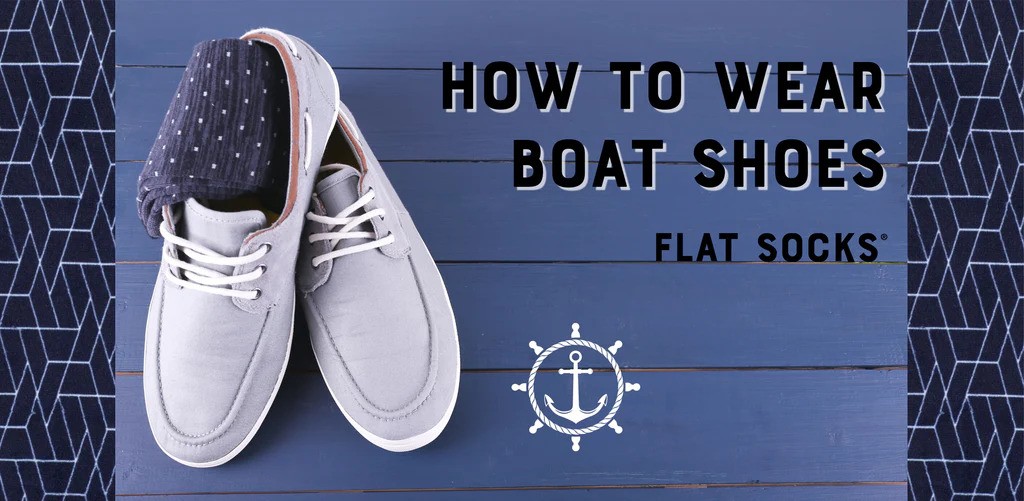
Imagine stepping onto a sunny deck, feet secure in shoes that grip well and feel great all day. Boat shoes stand out as classic footwear for water activities and casual outings. This post looks at what makes them special, from origins to modern picks. Readers will find details on features to seek, top models for different needs, and tips for care. Based on recent reviews and tests, the content aims to help pick the right pair. Whether for sailing or strolling, good boat shoes blend function with looks. The guide covers men’s and women’s options, plus advice on fit and maintenance to keep them lasting longer.
Boat shoes first caught on in the 1930s when Paul Sperry noticed a dog’s paws gripping ice. He cut grooves into rubber soles for better traction on wet surfaces. That idea led to the original Sperry Top-Sider, a shoe with leather uppers and non-marking outsoles. Over decades, brands like Sebago and Timberland built on this design, adding comfort and style tweaks. Today, boat shoes suit not just boats but everyday wear, from docks to streets. Materials now include waterproof leather and breathable meshes for varied uses. This evolution keeps them popular for people who want reliable grip without heavy boots. Reviews from sites like GQ and HiConsumption highlight how these shoes balance tradition with updates for 2025.
What Are Boat Shoes?
This section explains the basic design and purpose of boat shoes, helping readers understand their core traits.
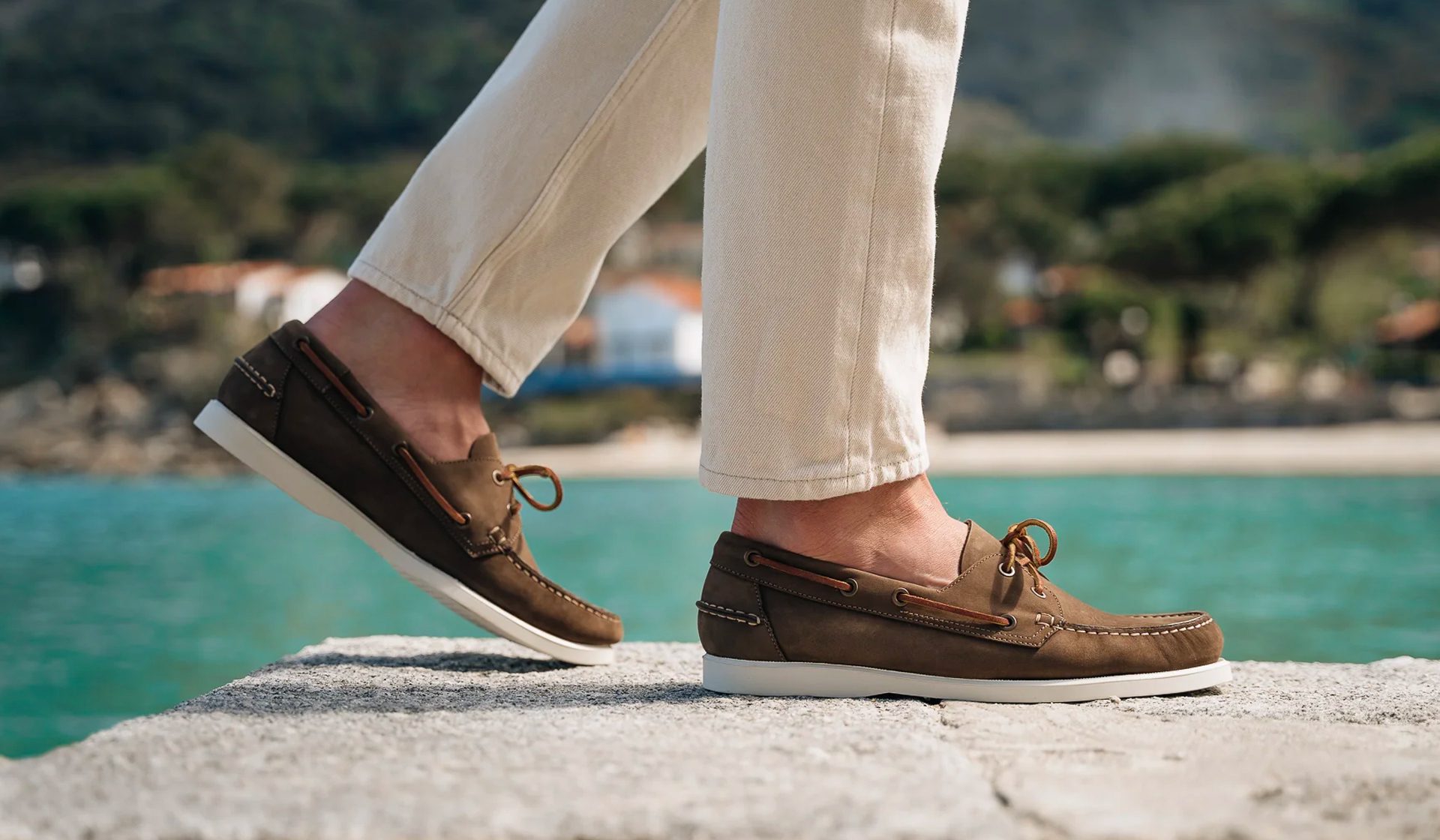
Boat shoes, often called deck shoes, feature low profiles with lace-up fronts and sturdy soles. The design focuses on grip for slippery surfaces like boat decks. Uppers usually come in leather or canvas, treated to resist water. Soles include siping, those wavy cuts that channel water away for better contact. Eyelets allow rawhide laces that tie around the foot for a secure fit. Inside, cushioned insoles provide support during long hours standing. These shoes avoid metal parts that could rust or scratch boat surfaces. Non-marking rubber prevents scuffs on decks. While made for marine use, many people wear them casually for their comfort and classic style. Tests show models like Sperry’s Authentic Original excel in traction and durability. Brands update them with modern touches, like antimicrobial linings to reduce odors after wet days.
History of Boat Shoes
Here, the post traces how boat shoes started and changed over time, giving context to current models.
The story begins in 1935 with Paul Sperry in Connecticut. After slipping on a boat deck, he studied a cocker spaniel’s paws for clues. The cracks inspired him to slice patterns into sneaker soles, creating the first non-slip shoe. Sperry Top-Sider launched, gaining fans among sailors and preppy crowds. By the 1980s, boat shoes became fashion staples, seen in movies and on campuses. Brands like Sebago joined in, offering hand-sewn options from Maine. Materials shifted from basic rubber to premium leathers. In recent years, eco-friendly versions use recycled plastics, as in Vivaia models. The design stays true to function but adds colors and fits for wider appeal. Reviews note how this history shapes 2025 picks, blending old-school charm with new tech for comfort.
Key Features to Look For in Boat Shoes
This part lists important traits to check when buying boat shoes, based on expert tests.
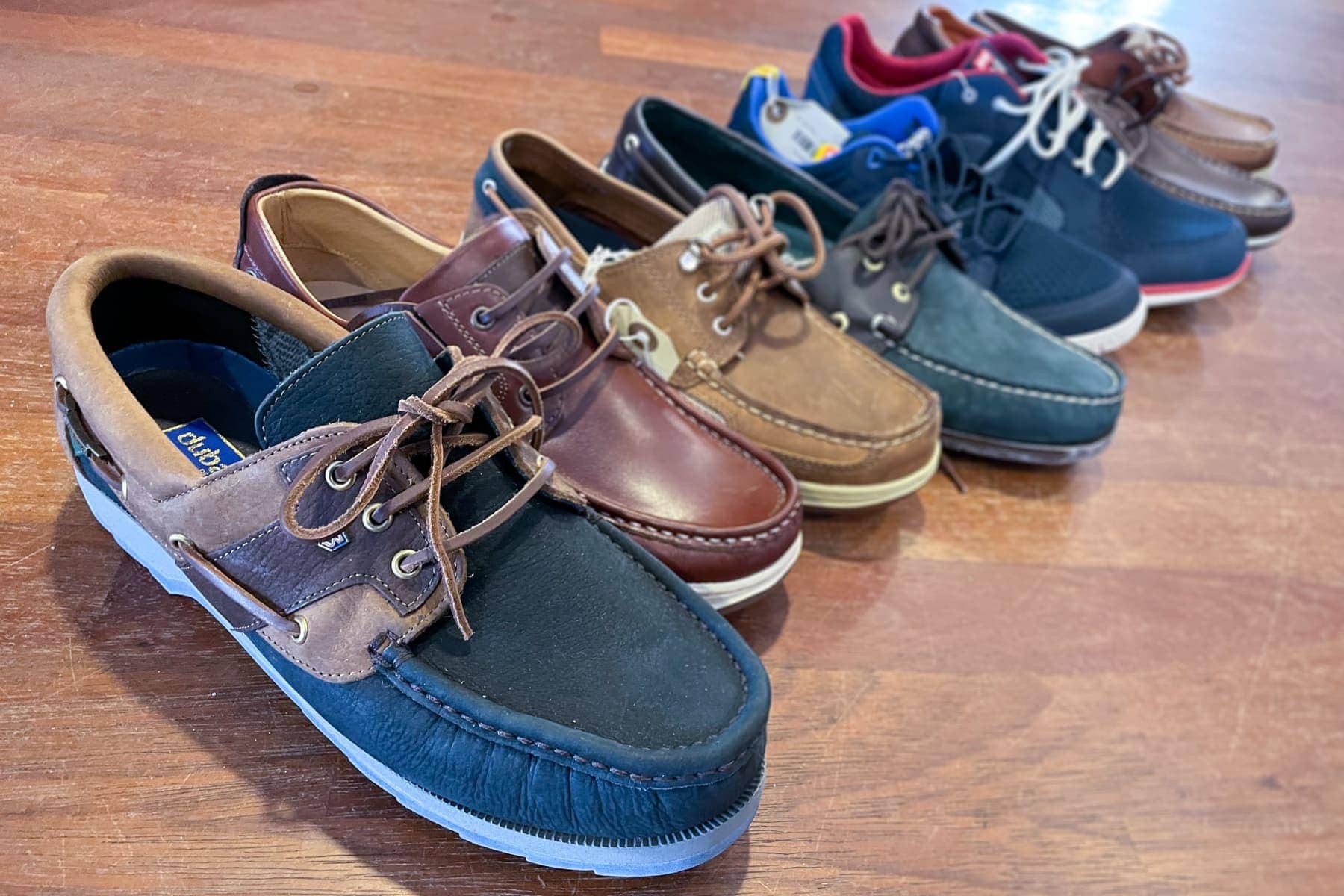
Good boat shoes need strong traction from siped rubber soles that grip wet decks without marking. Leather uppers should resist water, often oiled or waxed for protection. Breathable linings keep feet cool, while cushioned footbeds absorb shock during movement. Lacing systems, like 360-degree styles, ensure a snug fit. Durability comes from hand-stitched construction that holds up to salt and sun. Antimicrobial treatments fight smells in moist conditions. For boating, quick-drying materials matter, as in mesh panels. Comfort right from the box avoids blisters, though some need break-in time. Prices range from $75 to $300, reflecting quality. Sources like Field & Stream stress testing for grip and fit before purchase. These features make shoes versatile for water or land use.
Traction stands as a top priority, with razor-cut siping channeling water away. Leather types vary: full-grain lasts longer but needs care, while nubuck offers a soft feel. Insoles with EVA foam provide cushioning for all-day wear. Eyelets in brass or alloy resist corrosion. Some models add arch support for better posture. Waterproofing treatments repel splashes, keeping interiors dry. Lightweight builds reduce fatigue on long trips. Reviews from Yachting Monthly praise shoes with drainage ports for fast drying after waves hit. Checking these helps find pairs that match specific activities, from fishing to casual walks.
Top Boat Shoes for Men in 2025
This section reviews leading models for men, drawn from recent rankings and tests.
Sperry Authentic Original 2-Eye Boat Shoe tops many lists for its classic design and grip. At $100, it uses leather uppers with wave-siping soles for traction. Hand-stitched details add durability, and rawhide laces secure the fit. Tests show it performs well on wet surfaces without slipping. The shoe molds to feet over time, offering comfort for hours. Available in various widths, it suits different shapes. Timberland 3-Eye Lug Handsewn follows at $150, with Horween leather and lug outsoles for rugged use. Padded collars reduce rubbing, and gold eyelets give a retro look. It needs little break-in, making it ready for immediate wear.
Sebago Schooner, priced at $165, brings oiled leather that weathers well. Anti-slip soles and leather linings enhance comfort. It conforms nicely after a few uses. Quoddy Head Boat Shoe, around $249, stands out for handmade quality in Maine. Pull-up leather and re-soleable outsoles promise longevity. Custom options allow personal touches. Paraboot Malo at $390 offers French craftsmanship with lugged soles for stability. It balances toughness and style for varied settings.
Top Boat Shoes for Women in 2025
Here, the focus shifts to women’s recommendations, highlighting comfort and fit from 2025 reviews.
Sperry Original Boat Shoe leads at $100, with leather uppers and razor-siping for grip. It supports feet well and comes in multiple widths. A break-in period softens it up. Vivaia Ida Sneaker Loafers, $169, blend shoe styles with waterproof recycled materials. Cushioned footbeds and wide toes suit long walks. They dry fast and resist odors. Sperry X Aritzia Slim, on sale at $96, offers soft leather that distresses nicely. No break-in needed, it molds quickly.
Frye Naya, discounted to $90, features flexible leather and lightweight build. Rubber outsoles provide stability, though arch support stays moderate. Colors like silver add flair. Sperry Sea Mate Sneaker, $75, mixes canvas for easy cleaning. Breathable linings and drainage keep feet fresh. Columbia PFG Tamiami excels for boating at around $80, with quick-drying ports and Omni-Grip soles. Stain resistance helps with fishing messes.
:max_bytes(150000):strip_icc()/tal-sperry-authentic-original-boat-shoe-morgan-ashley-parker-05-10bc425ebeae4defa4a9b207f38b6fab.jpeg)
Best Boat Shoes for Actual Boating
This area covers shoes tested for water performance, ideal for sailors and fishers.
Grundens Seaknit, best overall, offers lightweight comfort and gum rubber soles for traction. It dries fast and fits true. Huk Rogue Wave, waterproof with neoprene, suits fishing at $100. GripX soles handle wet decks. Columbia Dorado CVO PFG for men repels stains and grips with Omni-Grip. EVA cushioning adds comfort.
For sailors, Dubarry Commodore XLT provides cushioning and leather build. Helly Hansen Ahiga V4, synthetic with EVA midsoles, dries quick. Zhik Fuze features drainage and flexibility. Sperry Authentic Original Float floats and drains well.
How to Choose the Right Size for Boat Shoes
Measure feet at day’s end when swollen for accurate size. Boat shoes often run large, so try half-size down. Check width options, as narrow fits pinch. Walk in them to test flex and grip. Leather stretches, so snug starts work. Canvas holds shape better. Online, read size charts and reviews for true fits. Brands like Sperry offer wide ranges. Sockless wear common, but try with thin socks if preferred. Return policies allow trials at home.
Proper fit prevents blisters and supports arches. Toes need space without sliding. Heels should stay put. For boating, secure laces matter. Tests show well-fitted shoes last longer without wear issues.
Care and Maintenance for Boat Shoes
Tips here keep shoes in top shape, extending life.
Clean leather with mild soap and water, avoiding harsh chemicals. Dry naturally away from heat to prevent cracks. Condition with oils for water resistance. Store in cool, dry spots. For canvas, brush off dirt and spot clean. Salt removal prevents damage; rinse after sea use. Insoles pull out for airing. Rotate pairs to let them rest. Repairs like resoling save money on quality models.
Regular care maintains grip and looks. Waterproof sprays add protection. Avoid machine washing unless specified.
Styling Tips for Boat Shoes
Ideas on pairing boat shoes with outfits for versatile use.
Pair with chinos or shorts for casual looks. Roll cuffs for a relaxed vibe. Add polos or button-downs for preppy style. Women can match with sundresses or jeans. Colors like tan suit most wardrobes; navy adds variety. Sockless keeps it classic, but no-show socks work for comfort. For events, cleaner pairs shine.
Mix with modern pieces like slim pants for urban flair. Accessories like belts coordinate well.
Common Mistakes to Avoid When Buying Boat Shoes
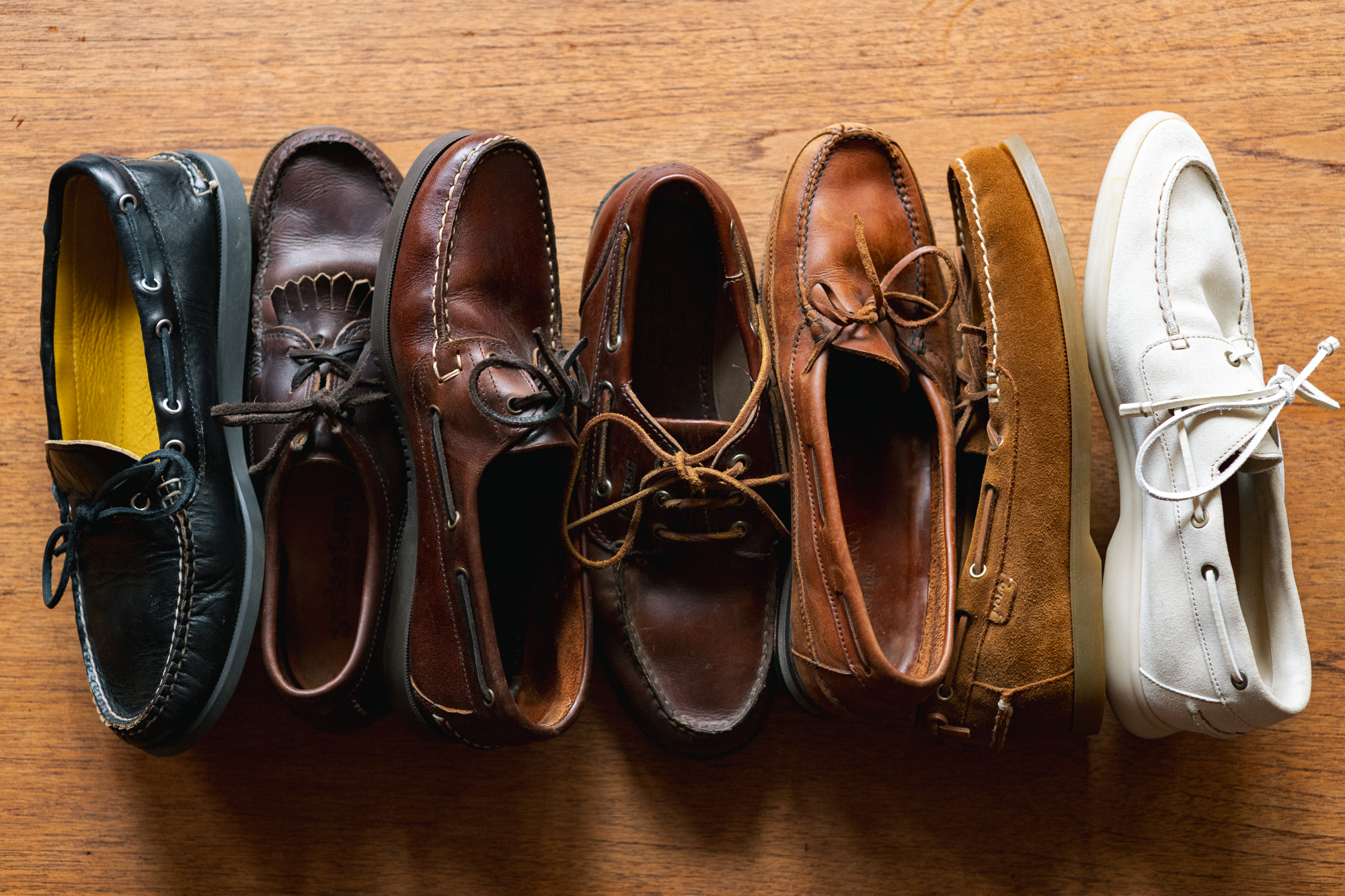
Ignoring traction leads to slips; always check siping. Cheap materials wear fast, so invest in quality. Wrong size causes pain; measure carefully. Skipping water resistance ruins them in rain. Overlooking care needs shortens life. Buying for looks alone misses function for boating. Not testing fit in store or at home risks returns. Assuming all brands size same varies.
Conclusion
Boat shoes offer timeless appeal with practical benefits for 2025. From Sperry classics to modern Vivaia eco-options, choices abound for comfort and style. Key features like grip and durability make them reliable. Proper fit and care ensure longevity. Whether on water or land, these shoes adapt well. Reviews confirm top picks suit varied needs. Picking the right pair brings satisfaction in daily use.