Nail Shapes Guide Popular Types Explained and Simple Selection Tips for Beginners
Nail shapes refer to the outline people create at the tips of fingernails through filing. This outline changes the overall look of hands in a noticeable way. Beginners often start with basic forms because those forms suit most daily routines. The process starts at a salon or at home with simple tools like a nail file and buffer. People select nail shapes to match finger length and daily activities. Round forms work well for short nails while longer forms add length to the appearance. Maintenance keeps the chosen form intact for weeks at a time.
What Nail Shapes Mean for Everyday Hands
Nail shapes form the visible edge after people trim and file fingernails. The edge can stay natural or extend with products like gel or acrylic. Beginners notice right away that one form makes hands seem wider while another makes them seem longer and slimmer. The choice depends on personal style and finger structure. Short fingers pair nicely with forms that add length at the tip. Wider fingers look balanced with forms that keep sides straight. People switch forms over time as style changes or nails grow stronger. The right form protects the nail bed and reduces breakage during normal tasks like typing or cooking.
Why People Pay Attention to Nail Shapes
People pay attention to nail shapes because the outline affects how hands appear in photos and daily life. A form that matches finger size creates balance and makes jewelry stand out more clearly. Busy schedules call for forms that resist chipping and breaking. Creative individuals pick pointed forms to show off colors and designs. The selection process starts with a close look at natural nail length and strength. Weak nails suit shorter forms that need less filing. Strong nails support longer forms without extra support. This simple step prevents common problems like splits or lifts at the corners.
Round Nail Shapes
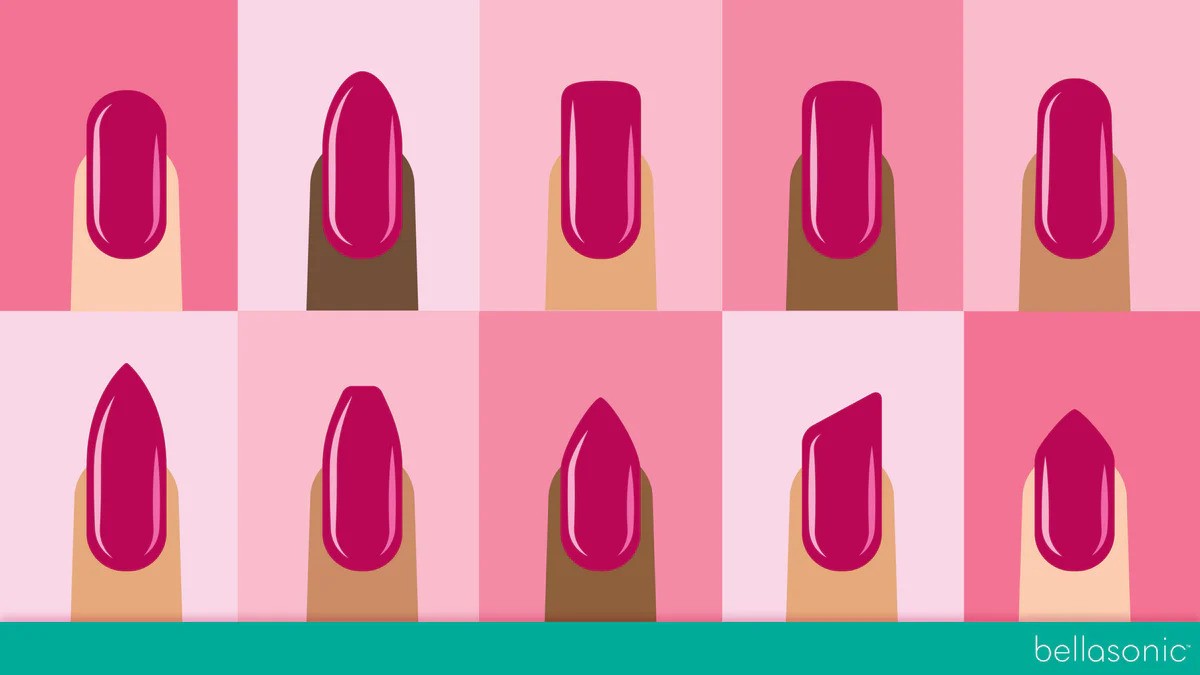
Round nail shapes follow the natural curve at the fingertip. The sides stay straight while the tip forms a smooth half circle. This form works best on short nails because it keeps the edge strong and less likely to catch on clothes. People with active jobs like gardening or sports choose round nail shapes often. The filing method starts with a soft grit file moved in one direction from side to center. Buffing smooths any rough spots after shaping. Round nail shapes need little extra length so they stay neat for two weeks or more. Colors look clean on this form because the curve reflects light evenly. Beginners find round nail shapes easy to maintain at home with basic tools.
Square Nail Shapes
Square nail shapes feature straight sides and a flat tip that forms clear corners. The form gives hands a neat and modern appearance that suits office settings. People file the sides parallel then cut straight across the top for perfect edges. Square nail shapes stand up to daily wear because the flat tip spreads pressure evenly. Wide nail beds pair well with this form because it adds width balance. The corners sometimes need extra filing to prevent snags on fabric. Many choose square nail shapes for French manicures since the straight line shows polish clearly. This form works on natural nails or extensions and holds color without chipping quickly.
Oval Nail Shapes
Oval nail shapes combine soft curves on the sides with a rounded tip. The form lengthens fingers visually and creates an elegant look suitable for formal events. People start filing from the base and curve gently toward the center tip. Oval nail shapes suit medium length nails because the curve adds grace without extra weight. The sides slope inward slightly which makes hands seem narrower. This form requires regular buffing to keep the smooth line intact. Beginners like oval nail shapes because they adapt to many polish styles and show off glitter or chrome finishes nicely. The shape grows out evenly and needs only light touch ups every week.
Almond Nail Shapes
Almond nail shapes taper from the base to a soft point at the tip while keeping sides curved. The form adds noticeable length and slims the finger appearance at once. People file the sides inward gradually then round the tip to avoid sharpness. Almond nail shapes suit longer natural nails or extensions because the taper distributes stress well. The point stays gentle so it rarely breaks during normal use. This form highlights detailed nail art because the narrow tip draws the eye downward. Many switch to almond for weddings or parties where hands stay visible. Maintenance involves careful filing to keep the taper even on both sides.
Stiletto Nail Shapes
Stiletto nail shapes come to a sharp point at the tip with long straight sides. The form creates a dramatic look that stands out in fashion settings. People build length first with gel or acrylic then file sides to meet at one center point. Stiletto need strong base support because the point puts pressure on the nail bed. The shape works best on longer extensions rather than short natural nails. Colors pop on this form especially dark shades or metallic polishes. Beginners start with shorter versions to learn the filing technique before going full length. The point requires careful handling to prevent breakage during daily tasks.
Coffin Nail Shapes
Coffin nail shapes show straight sides that taper to a flat tip with slight corners. The form gets its name from the resemblance to a coffin outline and adds bold style. People file sides inward then cut the tip straight across for the signature look. Coffin nail shapes balance length and strength so they suit active lifestyles better than sharp points. The flat tip allows space for detailed designs or multiple colors at once. This form holds up well with gel polish because the structure spreads force evenly. Many choose coffin nail shapes for long wear because the edges stay smooth longer than rounded forms.
Squoval Nail Shapes
Squoval nail shapes mix square corners with oval curves on the sides. The form keeps the neat look of square while adding softness at the tip. People file straight sides first then round the corners lightly to create the hybrid. Squoval nail shapes fit most finger types because they avoid extreme points or flat edges. The shape grows out naturally and needs minimal correction each week. Beginners prefer squoval for everyday wear since they resist catching on objects. Polish applies evenly and lasts longer because the surface stays flat in the center. This form transitions easily between casual and dressy outfits.
Fan Nail Shapes
Fan nail shapes flare wider at the tip than at the base with curved sides. The form adds width and creates a fun playful appearance. People build extra width with extensions before filing the flare outward. Fan suit creative styles because the wide tip holds large nail art pieces. The shape needs extra support at the base to prevent lifts during growth. Many pick fan for special occasions where hands stay on display. The flare catches light from different angles and makes colors appear brighter. Maintenance includes careful side filing to keep the flare even on each finger.
How People Select Suitable Nail Shapes
People select suitable nail shapes by checking finger length and width first. Short fingers gain visual length from tapered forms like almond or oval. Wide nail beds balance better with straight forms like square or squoval. Daily routines matter next because active hands need sturdy forms that resist impact. Office workers often pick shorter square forms for typing comfort. The natural nail strength guides the choice too because weak nails break less in round or oval forms. People test forms on one hand first to compare appearance before full application. Skin tone and clothing style influence the final pick as well.
Steps for Creating Nail Shapes at Home
Steps for creating nail shapes at home start with clean dry nails and a good file. People trim excess length first then file sides in one direction to avoid splits. The chosen outline comes next with light pressure and frequent checks in good light. Buffing removes any ridges after shaping and leaves a smooth finish. Cuticle oil applied at the end keeps skin soft and prevents cracking around the new form. Beginners practice on one nail at a time until the technique feels natural. Tools like glass files last longer and create cleaner edges than cheap paper ones. The whole process takes thirty minutes once people learn the motions.
Ways to Maintain Nail Shapes Over Time
Ways to maintain nail shapes over time include weekly touch ups with a fine file. People apply strengthener base coats to protect the edges from daily wear. Oil around the cuticles keeps the skin flexible and stops the shape from lifting. Gloves protect nails during chores like dishwashing or cleaning. Polish changes every two weeks prevent staining that weakens the form. Professional fills every three weeks keep extensions in the original outline without gaps. People inspect nails daily for small cracks and file them smooth right away. Proper diet with protein and vitamins supports nail growth that matches the chosen shape.
Common Issues with Nail Shapes and Fixes
Common issues with nail shapes include breakage at corners or lifting at the base. Square forms sometimes snag on fabric so light rounding fixes the problem quickly. Pointed forms crack under pressure so shorter versions reduce the risk. People fix uneven sides by marking the center tip first then filing both sides equally. Weak spots from over filing disappear after a rest period with no polish. Hydration from inside and outside keeps the nail plate flexible and less prone to splits. Simple adjustments like these keep the shape looking fresh for longer periods.
For More Information Visit Here
Conclusion
Nail shapes offer clear options that change hand appearance in simple ways. Round forms bring everyday strength while square forms add neat structure. Oval and almond forms lengthen fingers gently and coffin forms create bold statements. People gain confidence once they match the outline to finger size and lifestyle needs. Home filing and basic care keep any chosen looking fresh without constant salon visits. The knowledge from this guide helps beginners avoid common mistakes and select forms that last. Strong nail shapes support daily tasks and highlight personal style at the same time. Readers now hold the tools to try new outlines and enjoy better looking hands right away.
Related Post
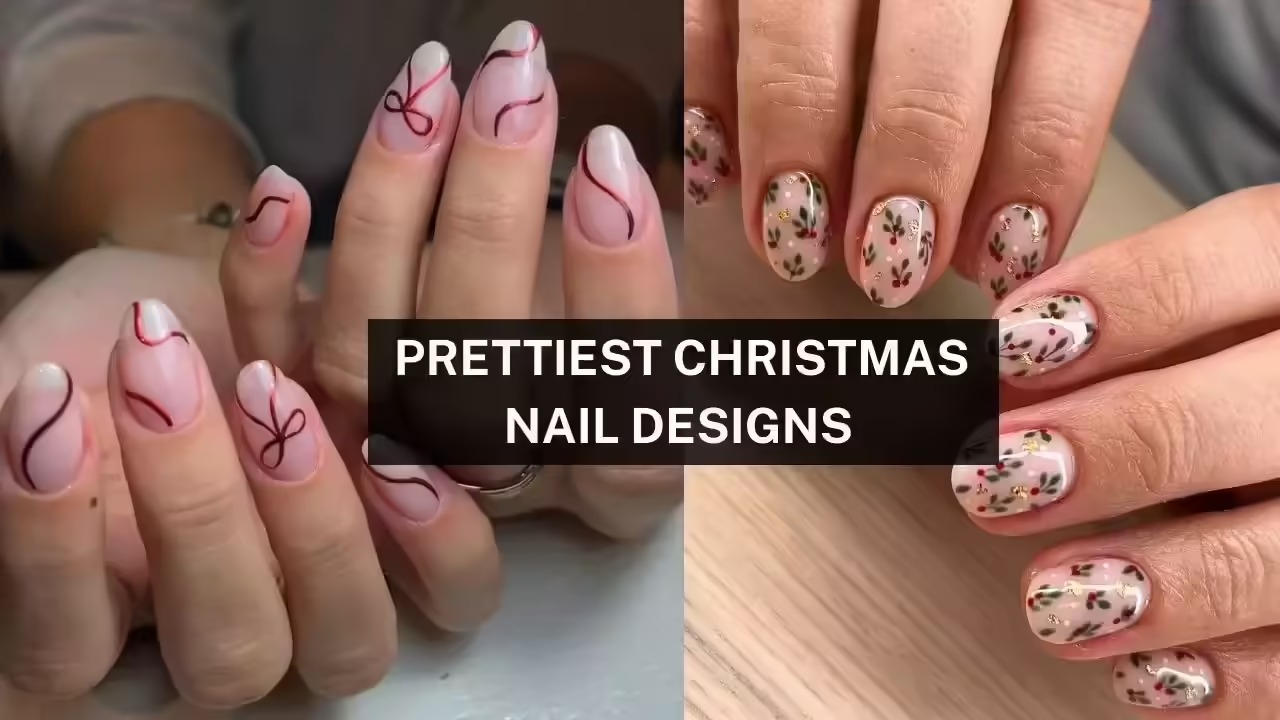
Christmas Nails Ideas and Simple Tips for a Stunning Seasonal Style
Christmas nails bring joy and color to the holiday period. The special designs use bright…