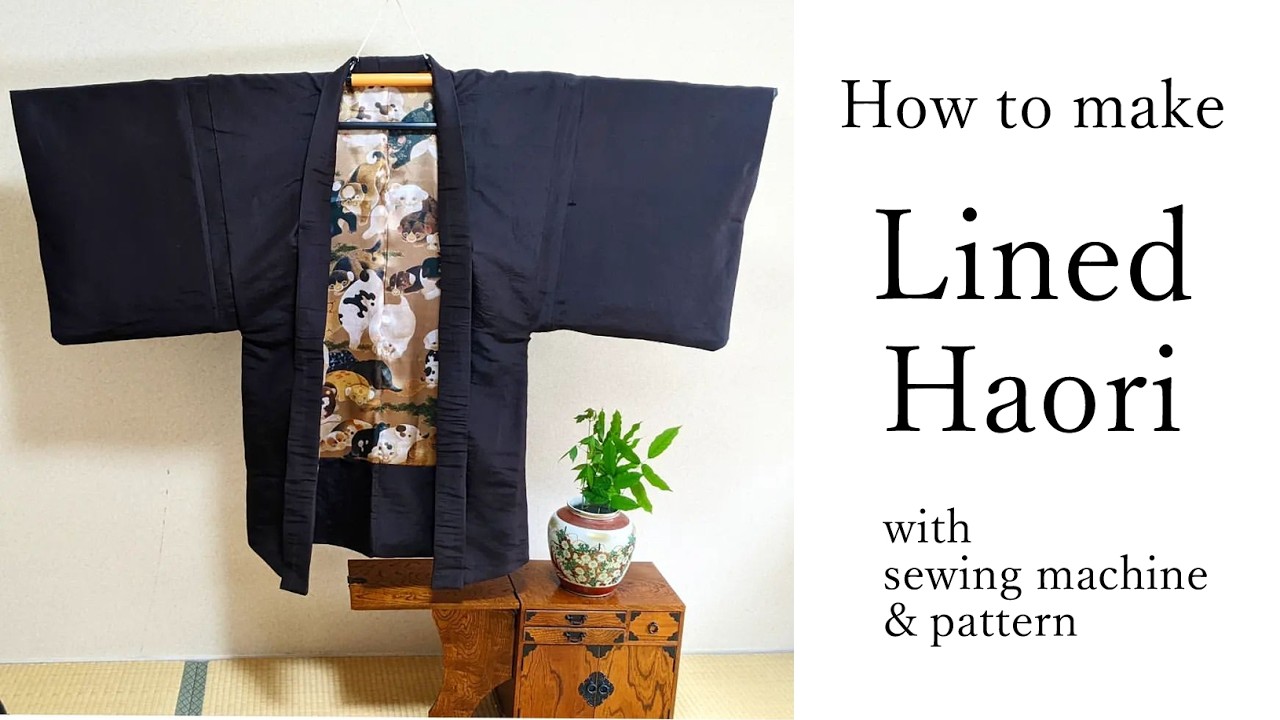
Haori 7 Fascinating Facts About Japan’s Classic Jacket
Picture this: a haori, a lightweight coat blending old traditions with fresh style, perfect for warmth or a touch of elegance. That describes it perfectly. This piece comes from Japan and serves as a jacket worn over other clothes, like kimono. In this article, readers find out everything needed about it. It starts with basics on what it is, then moves to its past, different kinds, ways to put it on, current trends in fashion, and advice for upkeep. By the end, anyone feels ready to appreciate or even try one. Simple words make it easy to follow, and real facts keep it useful for anyone curious about Japanese culture or clothing.
What Is a Haori?
This section explains the basic idea of it and its main features.
Haori stands as a traditional Japanese garment, often described as a short coat or jacket. People wear it over a kimono or other outfits for protection from the chill or as a style choice. The design remains simple, featuring a loose fit, an open front, and wide-hanging sleeves. Front ties, known as haori himo, can be used to hold it closed if desired.
Think of this garment as more than just cloth—it’s a piece of culture. The word comes from “haoru,” which means to put on a coat. Length usually hits at hip or thigh, but some reach longer. Collars stay thin compared to kimono ones. Side seams include triangle panels for better fit and movement. Colors and designs vary by who wears it and why. For instance, bold prints suit women, while subtle tones work for men. In ceremonies, it pairs with family crests for meaning. Everyday use sees it over jeans or dresses. This mix of old and new keeps the garment relevant today. Fans love how it feels comfortable yet special.
The History of Haori
Here, learn about how it started and changed over time.
It began in the Sengoku period, around the 1500s, when warriors used this over armor to fight cold winds. Samurai found it practical for battles and daily life. As years passed, it shifted from military gear to common wear. By the Edo period in the 1600s to 1800s, merchants adopted it. Rules on spending limited fancy outsides, so they hid rich decorations inside linings. This created a trend of plain exteriors with stunning hidden art. Geisha in places like Fukagawa, Tokyo, started wearing it in the early 1800s, bringing the garment to women. Before that, only men used it. This change made the jacket a fashion statement for all. By the 1930s, women commonly included it in outfits for social events.
From the Taisho era in 1912 to Showa times before war, it became “going out” clothes for women at theater or teas. Men kept formal black versions for ceremonies. Economic growth let people show creativity in designs, even with old laws. Shinto priests wear special ones with crests for festivals. Over centuries, this moved from warrior tool to cultural icon. Today, it reflects Japan’s blend of tradition and progress. Vintage pieces tell stories of past makers and wearers. This evolution shows how clothing adapts to society needs while keeping roots.
Types of Haori
This part covers different kinds of it and what sets them apart.
Formal versions often come in black with family crests, called mon. Men and women wear these for events like funerals or weddings. Crests add personal or group meaning, like for priests at shrines. Casual types show more colors and patterns, perfect for daily use. Picture ones feature big images on backs, such as landscapes or flowers, made with embroidery or dye. These suit parties or shows. Reversible ones offer two looks in one, with bright linings. Materials define types too: silk for luxury, cotton for comfort. Vintage might include hand-painted art inside, a nod to Edo styles. Modern versions use lace or wool for seasons.
Men’s tend toward dark shades like navy or gray, with detailed linings hidden away. Women’s versions burst with vibrant hues and bold motifs on outside. Some types tie to regions, like Kurume kasuri with geometric weaves. Shibori dyeing creates tie-dye effects for unique textures. Yuzen painting adds intricate scenes on silk. Komon uses small repeating patterns in lively colors. Striped shima or nature themes like cherry blossoms appear often. Each type fits specific occasions, from solemn to fun. This variety lets people pick what matches mood or event.
Full-length offer more coverage, while short ones feel like cardigans. Some pair with yukata at hot springs for relaxed vibes. Ceremonial ones stay plain but elegant. Differences show in sleeves: longer for tradition, shorter for now. Collectors seek rare patterns or old fabrics. This range makes the garment accessible for beginners or experts in Japanese style.
Differences Between Men’s and Women’s Haori
Find out how they vary by gender in design and use.
Men’s usually stick to single dark colors, such as black or blue, keeping things understated on outside. Inside linings shine with elaborate paintings or weaves, a secret luxury from past times. This style suits formal spots like ceremonies or work. Women enjoy brighter options with patterns covering the whole piece. Linings stay simple, often cream. Geisha started this trend, making them feminine and fun. Sizes differ slightly: men’s might run longer in body and sleeves. Both genders tie them similarly, but women’s cords match fabric more often. In old days, only men wore them, but now everyone does.
Cultural shifts allowed women to adopt them around the 1800s. Before, it marked male warriors or merchants. Now, young women sometimes choose men’s vintage pieces for subtle looks. Men’s versions pair with hakama pants for full formal outfits at weddings. Women’s mix with kimono for teas or outings. Fabrics overlap, but silk dominates luxury for both. Patterns tell stories: men get landscapes or battles inside, women floral or abstract outside. This contrast highlights Japan’s fashion history and gender roles over time.
How to Wear a Haori
Get tips on putting on and styling it here.
To wear one, slip arms into sleeves over base clothes, like kimono or shirt. Front stays open or ties loosely with himo cords. These attach to inside loops for a snug fit. No need for belts like kimono. Fold collar flat. For formal, match with crests and proper under layers. Casual wear pairs it with pants or skirts. Adjust length to suit: hip for modern, longer for tradition. Sleeves cover under ones if layered. Add a belt over for new twist. This ease makes it great for beginners. In Japan, people wear it at festivals or daily errands.
Styling depends on occasion. Over jeans and tee gives casual vibe. With dress, it adds elegance. Colors should blend: pattern with plain bottoms. For warmth, layer in winter. Summer picks light fabrics like gauze. Men often keep it open, women tie neatly. At hot springs, it goes over yukata. Rentals in places like Kyoto let tourists try. Practice tying cords for best look. This method keeps the garment comfortable and stylish. Games like “two person haori” show fun side, where pairs act together in one. But for solo wear, focus on fit and comfort. Adjust for body size since one size fits most. Vintage ones might need gentle handling. This approach makes wearing it simple and enjoyable.
Materials Used in Haori
Learn about fabrics and dyes that make it special.
Silk ranks as top material for them, prized for shine and feel. Vintage ones often use pure silk with hand paints. Cotton gains popularity now for breathability and easy care. Types like Kurume kasuri weave patterns in. Wool adds warmth for cold months. Synthetics like polyester offer affordable options. Gauze or lace suits hot weather. Dyes include shibori for tie effects, yuzen for painted scenes. Natural motifs come from plant or mineral colors. Weaves vary: chirimen crepe for texture, hiraori plain for linings. Each choice affects look and use. Makers select based on season or event. Fabrics tell history: Edo laws pushed luxury inside. Now, eco-friendly options appear. Handwoven ones support artisans. Colors hold meaning: red for joy, black for formal. Patterns like cranes symbolize long life. This depth adds value to the garment as art.
Cultural Significance of Haori
This explains why it matters in Japanese life.
It holds place in traditions, worn at weddings, festivals, and teas. The jacket links to samurai past and geisha style. Family crests on them show heritage. In theater, it forms part of uniforms. Games use it for laughs. Beyond clothes, it represents adaptability in culture. From battle fields to streets, it evolved with people. Art on linings hides stories of wealth and creativity. Women gaining access marked social change. Today, it bridges old customs with global fashion. Collectors see it as history piece. This role keeps the garment alive in hearts and wardrobes. Symbols in designs carry wishes: flowers for beauty, waves for strength. Priests use it in rituals. Everyday wear honors roots. This meaning makes it more than fabric—it’s identity.
Haori in Modern Fashion
See how it fits today’s styles.
Designers mix the jacket with western clothes for fresh looks. Over jeans or hoodies, it adds edge. Short sleeves suit casual days. Brands make new versions in bold prints. Celebrities wear them at events. Rentals help tourists blend in. Vintage shops offer unique finds. Lined for winter, light for summer—it works all year. Young people pair with sneakers. This fusion keeps tradition current. Fashion shows feature twists. Global fans buy online. It stands as versatile piece for any closet. Modern uses include home wear or travel layers. Affordable cotton makes it everyday. Artists update patterns for now. This keeps the garment evolving. In resorts, it complements yukata. Photographers capture styled shots. This popularity spreads Japanese culture wide.
Famous Examples and Designers of Haori
Discover notable ones and creators.
Tatsumi Shimura made 1980s versions with fine details. Met Museum holds 20th-century men’s jackets. Golden Temple design shows hand-painted linings. Mizumari uses kasuri motifs. Shibori and yuzen techniques come from old masters. Kurume city artisans weave regional styles. Edo painters started hidden art trend. Modern makers like in Kyoto blend old methods. Collectors prize pieces from geisha eras. This legacy inspires new work. Kitanoumi Toshimitsu wore formal black one. No single designer dominates, but techniques define fame. Regional groups keep crafts going.
Caring for a Haori
Tips to keep it in top shape.
For storage, fold flat: center front up, match shoulders, smooth wrinkles. Fold sleeves over body, then hem up. Use traps for bugs in silk. Cleaning varies: cotton or polyester wash gentle in net. Avoid machine for silk or dyed ones—risk shrinking or fading. Spot clean stains quick. Dry flat away from sun. Iron low heat if needed. Professional clean for vintage. This care extends life. Regular checks prevent damage. Store cool, dry. Fold properly avoids creases. This maintains beauty.
Interesting Facts About Haori
Men hid luxury in linings to dodge rules. Geisha made it women’s wear. Shibori dates to 700s. Yuzen from Edo. Patterns wish luck: cranes for life. Komon hides details up close. It differs from hanten or happi coats. Game “two person” version entertains. Priests wear crested ones. Vintage as art. This adds charm. Warriors started it for cold. Now global fashion. This surprises many.
Conclusion
Haori remains a cherished part of Japanese heritage, blending function with beauty in ways that appeal across eras. From its beginnings as warrior protection to its current roles in fashion and ceremonies, it shows remarkable staying power. People around the world now recognize its value as a versatile garment that adds elegance without complexity. Whether choosing a vintage silk piece for special occasions or a cotton one for casual outings, haori offers something for everyone.