Blue Jacket Blue The Smart Choice for Classic and Confident Outerwear
Many people enjoy wearing outerwear that combines style and function. Blue jacket blue stands out as a popular choice among clothing items. This piece offers versatility for different occasions. Beginners often wonder about its appeal. The color blue brings calmness and pairs well with various outfits. Folks appreciate how it fits into casual or formal settings. Understanding blue jacket blue starts with basic facts. It comes in shades like navy or light blue. Materials range from wool to denim. People select it for comfort during changing weather. This guide covers key aspects in plain terms. Readers learn about origins, varieties, styling tips, maintenance, and advantages. The aim focuses on helping newcomers feel confident. Simple steps make it easy to include in daily wear. Trustworthy details come from reliable sources. Logical sections build knowledge step by step.
What Is Blue Jacket Blue?
Blue jacket blue refers to jackets in blue tones that serve as essential wardrobe staples. These items protect against cool air while adding flair to appearances. Common designs include buttons or zippers for easy use. Fabrics such as cotton or synthetic blends provide durability. Beginners find them approachable because of straightforward shapes. Shades vary from dark navy to bright cobalt. Each hue suits different skin tones and preferences. For instance, navy appears classic and professional. Lighter blues feel fresh and relaxed. People wear them over shirts or sweaters. The design often includes pockets for practicality. Collars add structure to the look. Linings offer extra warmth in colder months. This type of outerwear adapts to seasons with layering options. Folks in urban areas favor them for daily commutes. Rural settings see them in outdoor activities. Overall, blue jacket blue represents a blend of tradition and modern needs. It remains a go-to item for effortless style.
The History of Blue Jacket Blue
Jackets in blue colors trace back to the 1800s. British Navy uniforms featured dark blue coats for sailors. Queen Victoria admired these during a ship visit in 1837. Her approval spread the style beyond military use. Rowing clubs in universities adopted bright red versions first, but blue gained popularity for its neutral tone. The term “blazer” emerged from these early examples. Workers in France wore indigo chore coats for labor tasks. These loose fits held tools in wide pockets. The color hid dirt well during hard work. Over time, blue became linked to reliability. In America, Brooks Brothers popularized navy blazers in the 1930s. They symbolized sophistication. Denim jackets in blue arose from workwear in the late 1800s. Levi Strauss made them sturdy for miners and cowboys. Icons like actors boosted their fame in films. Social movements in the 1960s saw students don blue workwear in support of laborers. Fashion houses later refined the look. Today, blue jacket blue mix heritage with current trends. They continue to evolve while keeping classic roots.
The evolution shows how practical needs shaped design. Early versions focused on protection and ease. As society changed, styles became more varied. Blue dye from indigo plants offered lasting color. This made it ideal for everyday items. Cultural shifts influenced adoption across classes. From elite clubs to street fashion, blue jacket blue bridged gaps. Designers now experiment with cuts and details. Yet, core elements like comfort persist. Learning this background helps beginners value the piece. It connects past uses to present choices. Simple appreciation grows from knowing these stories.
Types of Blue Jackets
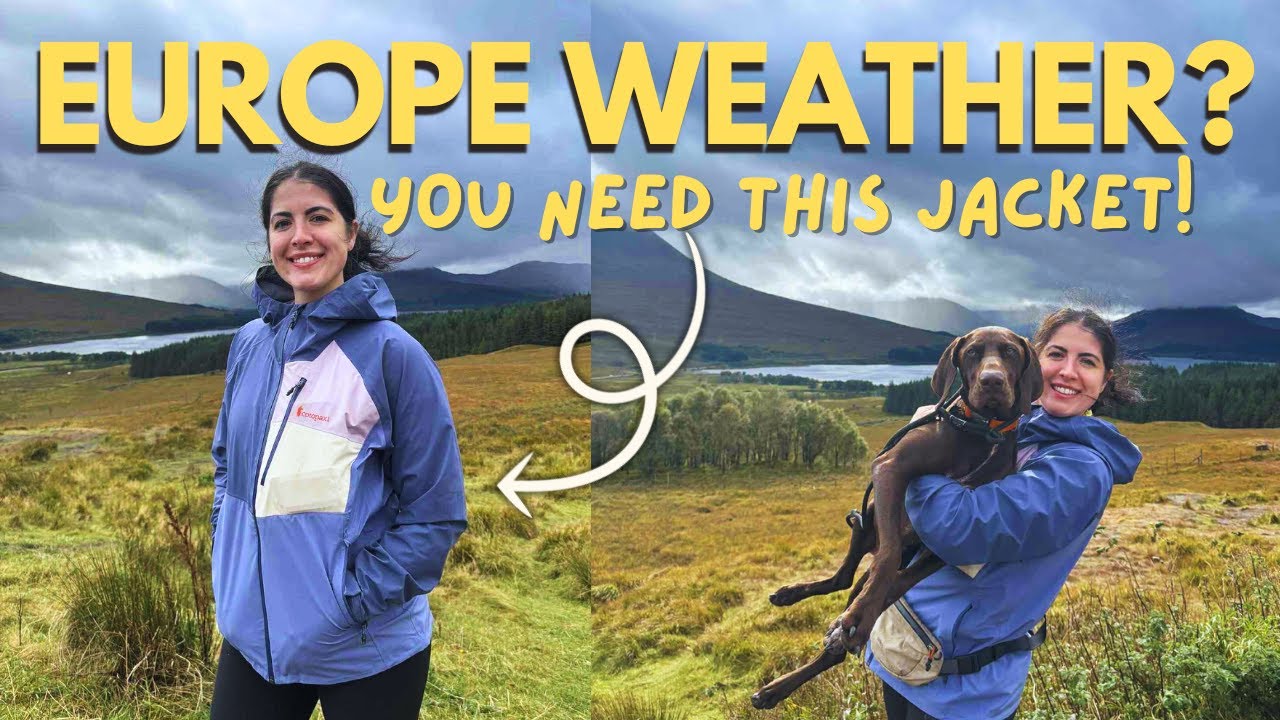
Several kinds of blue jacket blue exist to suit different needs. Puffer versions use insulation for warmth in winter. They feature quilted patterns and hoods. Bombers show rounded collars and ribbed cuffs. These originated from aviation gear but now fit casual looks. Denim types bring rugged charm with button fronts. They age well over time for a worn-in feel. Wool coats offer elegance for formal events. Tailored fits include lapels and belts. Windbreakers protect against breeze with lightweight fabric. Zippers and elastic hems keep them secure. Track jackets include stripes for sporty vibes. They work for active days or relaxed outings. Blazers present structured shoulders and buttons. Navy shades dominate for business settings. Each type serves specific purposes. Beginners pick based on lifestyle. For example, outdoor enthusiasts prefer durable options. Office workers lean toward polished styles. Mixing types builds a versatile collection. Materials affect feel and care. Synthetic ones resist water better. Natural fibers breathe easily. Understanding varieties aids smart selections.
More options include chore coats with multiple pockets. These nod to workwear roots. Field jackets add military-inspired details like epaulets. Vests provide sleeveless alternatives for milder weather. Hybrids combine features from several styles. Colors range within blue for subtle differences. Darker tones hide stains effectively. Lighter ones brighten ensembles. Sizes ensure proper fit for movement. Trying various kinds reveals personal favorites. Shops offer trials to test comfort. Online reviews guide decisions too.
How to Style Blue Jacket Blue
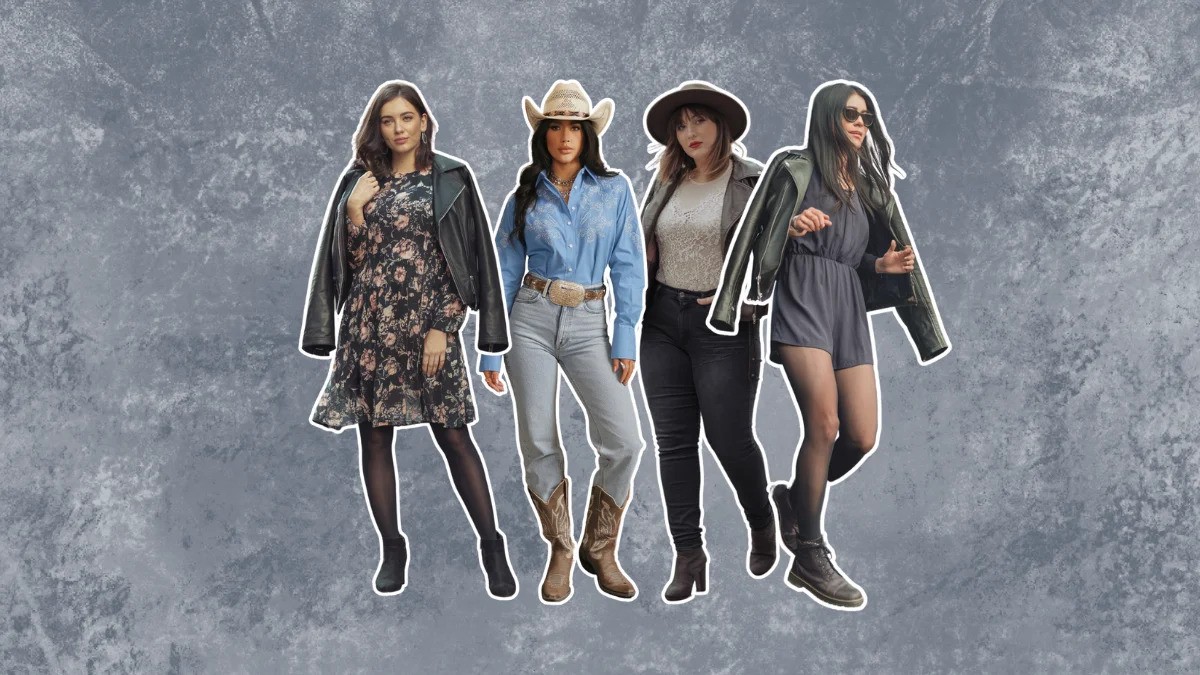
Styling blue jacket blue involves pairing it with complementary pieces. Start with neutral bottoms like gray pants for balance. White shirts create clean contrasts underneath. For casual days, add jeans in darker washes. Loafers complete the ensemble neatly. Ties in patterns elevate for meetings. Keep accessories minimal to let the jacket shine. Layer over hoodies for relaxed vibes. Belts match shoe colors for cohesion. Women pair with skirts or dresses for feminine touches. Men opt for chinos in khaki. Seasons influence choices too. Summer calls for lighter fabrics. Winter adds scarves for warmth. Experimenting builds confidence. Photos from magazines inspire ideas. Friends share tips on combinations. Simple rules guide beginners. Avoid clashing blues unless intentional. Patterns mix well with solids. Footwear ties everything together. Comfort remains key in selections. Proper fit enhances appearance. Tailoring adjusts lengths if needed. Overall, blue jacket blue adapts easily to personal tastes.
Consider occasions when planning outfits. Dates favor subtle elegance. Work demands professionalism. Weekends allow creativity. Colors like red accents pop against blue. Earth tones ground the look. Jewelry adds sparkle sparingly. Hats complement outdoor settings. Bags in leather coordinate nicely. Practice in front of mirrors refines choices. Feedback from others helps too. Over time, intuition grows for effortless styling.
Caring for Blue Jacket Blue
Proper maintenance keeps blue jacket blue looking fresh. Read labels for specific instructions. Most benefit from gentle washing cycles. Use cold water to preserve color. Mild detergents prevent fading. Air drying avoids shrinkage from heat. Hang on sturdy hooks to maintain shape. Spot clean stains promptly with soft cloths. Professional dry cleaning suits wool varieties. Store in cool, dry places away from sunlight. Cedar blocks repel moths naturally. Brush off dust regularly. Iron on low settings if wrinkles appear. Avoid harsh chemicals that damage fabric. Rotate wear to reduce stress on seams. Repairs fix small tears early. Zippers need occasional lubrication. Linings require inside-out turning for cleaning. Following these steps extends lifespan. Beginners start with basic routines. Tools like lint rollers remove debris easily. Organized closets prevent creases. Consistent care rewards with lasting quality. It saves money on replacements. Enjoy the piece longer through mindful habits.
For leather options, conditioners keep material supple. Apply sparingly with clean rags. Waterproof sprays protect against rain. Test products on hidden areas first. Fabric-specific advice comes from manufacturers. Online tutorials demonstrate techniques. Local cleaners offer expert services. Patience during processes yields best results. Neglect leads to quicker wear. Dedication shows in appearance.
Benefits of Wearing Blue Jacket Blue
Wearing blue jacket blue brings several advantages. The color conveys trust and calmness in interactions. It flatters most complexions for wide appeal. Versatility allows transitions between events. Protection from elements supports daily activities. Pockets hold essentials conveniently. Durability withstands regular use. Fashion statements emerge without effort. Confidence boosts from polished looks. Layering options suit varying temperatures. Neutral tone pairs broadly with wardrobes. Psychological effects include positive moods. Social perceptions view it as approachable. Practicality fits busy lifestyles. Investment value comes from timeless design. Beginners gain easy entry into style. Communities share appreciation for classics. Health aspects involve warmth in cold. Mobility remains unrestricted in fits. Overall, it enriches routines meaningfully.
More perks include cultural significance. Symbols of heritage connect wearers to traditions. Environmental choices favor sustainable materials. Comfort encourages movement. Expression of personality shines through selections. Affordability spans price ranges. Adaptability grows with experience. Satisfaction builds from reliable performance.
Conclusion
Blue jacket blue stands as a reliable and stylish option for beginners seeking practical outerwear. This guide covered basics from definitions to history, types, styling, care, and benefits. Each part builds a solid foundation for understanding. Readers now possess tools to select and maintain pieces effectively. The versatility shines in everyday use. Simple approaches make it accessible. Trust in classic designs leads to lasting satisfaction. Value appears in comfort, durability, and adaptability. Incorporate it into routines for enhanced experiences. Confidence grows with practice. This timeless item offers clear rewards for effort invested.
Related Post
Webfreen Fashion A Guide to Affordable Trends and Styles
In today fast-paced world, staying on top of fashion can feel overwhelming, especially when budgets…