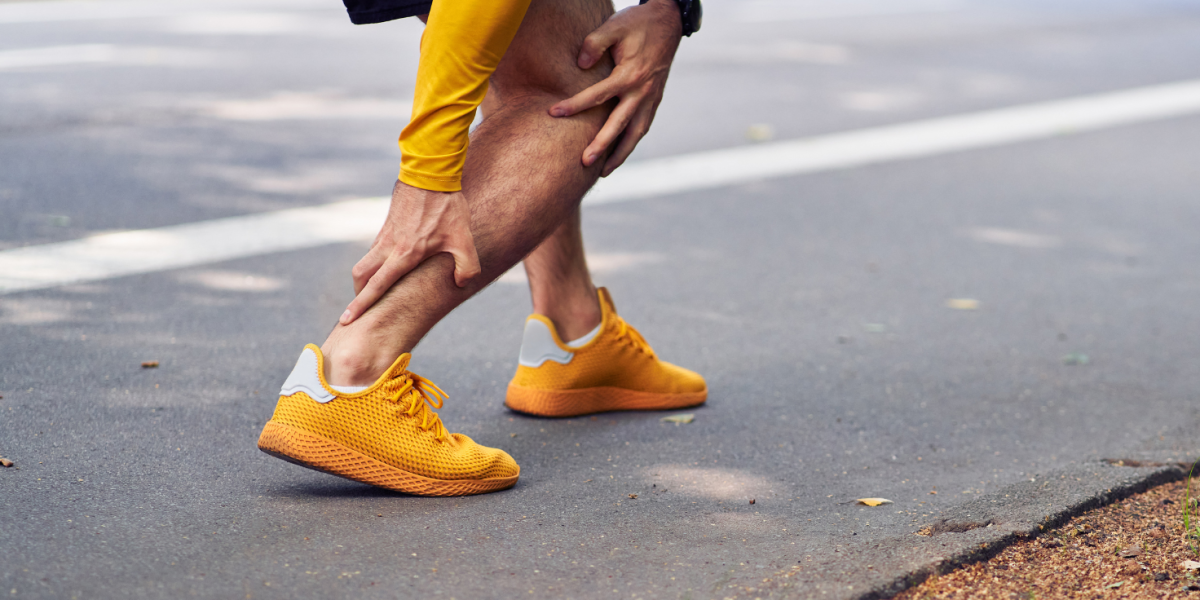
Best Shoes for Plantar Fasciitis causes pain in the heel and bottom of the foot. This condition happens when the thick band of tissue connecting the heel bone to the toes becomes inflamed. People often feel sharp pain in the morning or after sitting for a long time. Standing or walking makes it worse. Many factors lead to this issue, like overuse, tight muscles, or extra weight. Runners push their feet hard during training. Teachers stand in classrooms for hours. Workers in stores or factories remain on their feet all shift. These activities strain the feet and cause inflammation. Simple changes help ease the discomfort. Proper shoes play a big role in reducing pain. They support the foot structure and absorb impact. Without good footwear, the problem lingers or worsens. Finding the best shoes for plantar fasciitis starts with knowing the basics of this common foot issue.
Why Proper Footwear Matters
Footwear affects how feet handle daily stress. Bad shoes lack support and increase strain on the plantar fascia. This leads to more pain and slower healing. Good shoes cushion the heel and arch, which reduces inflammation. They also stabilize the foot during movement. For someone with plantar fasciitis, the right pair makes a difference in comfort. Imagine a runner hitting the pavement without enough padding. Each step jars the heel. A teacher grading papers while standing feels constant ache. Workers lifting boxes on hard floors endure throbbing pain. Switching to supportive shoes changes that. They distribute weight evenly and lessen impact. Over time, this aids recovery. Doctors often suggest better footwear as a first step. It works alongside rest and stretches. People notice less pain after wearing suitable shoes. The best shoes for plantar fasciitis focus on protection and comfort for everyday use.
Key Features in the Best Shoes for Plantar Fasciitis
Shoes for this condition need specific traits to help. These features target the areas that hurt most. Arch support lifts the middle of the foot and eases tension. Cushioning softens steps and protects the heel. Heel support cradles the back of the foot for stability. Shock absorption lessens the force from walking or running. Stability controls side-to-side movement to prevent twists. Correct fit ensures no rubbing or squeezing. Each element works together for relief. Without them, feet stay irritated. Look for these in stores or online. Brands test designs for foot health. Real people benefit from these qualities. A runner regains stride without wincing. A teacher lasts through lessons comfortably. Workers finish shifts with energy left. The best shoes for plantar fasciitis include all these to support healing.
Arch Support
Arch support holds up the curve in the foot. Flat shoes let the arch collapse, which pulls on the plantar fascia. Good arch support keeps it in place. This reduces pain over time. Shoes with built-in arches feel firm but comfortable. Some use removable inserts for adjustment. High arches need more lift, while low ones need gentle support. Test by standing in the shoe. Feet should feel balanced. Runners need this for long distances. Teachers rely on it during busy days. Workers appreciate it on concrete floors. Wrong support causes blisters or more ache. The best shoes for plantar fasciitis offer strong arch features. They mimic the natural foot shape. People often add orthotics for extra help. Start with shoes that include this built in.
Cushioning
Cushioning acts like a pillow under the feet. It softens landings and protects sore spots. Heel pain from plantar fasciitis eases with thick padding. Materials like foam or gel absorb shocks well. Thin soles make every step hurt. Look for cushioning in the heel and forefoot areas. It should feel springy but not mushy. Too much can make feet unstable. Runners benefit from responsive cushioning. Teachers stand easier with soft layers. Workers avoid fatigue with good padding. Over time, cushioning wears out, so replace shoes regularly. The best shoes for plantar fasciitis use durable materials. They keep comfort consistent. Try walking in the store to check. Feet thank for the extra care.
Heel Support
Heel support wraps around the back of the foot. It keeps the heel steady and reduces slipping. Plantar fasciitis irritates this area, so firm counters help. A counter is the stiff part at the back. It should feel secure without pinching. Loose heels cause friction and blisters. Padded collars add comfort. Runners need this for quick turns. Teachers shift weight smoothly. Workers lift safely. Good heel support aligns the foot properly. It prevents overpronation, where feet roll inward. The best shoes for plantar fasciitis include reinforced heels. They last longer and protect better. Check by pressing the back. It should resist bending easily.
Shock Absorption
Shock absorption takes the hit from ground contact. Feet face constant impacts from walking or standing. Plantar fasciitis worsens with hard jolts. Shoes with good absorption spread the force. Midsoles made of EVA or similar foams do this well. They compress and rebound. Stiff shoes transfer shock directly to heels. Softer ones protect joints too. Runners pound miles with less strain. Teachers pace rooms comfortably. Workers handle uneven surfaces. Test by jumping lightly in place. The best shoes for plantar fasciitis feature advanced absorption. They make movement smoother. Replace when the bounce fades.
Stability
Stability keeps feet from wobbling. Side support prevents rolls that strain the fascia. Shoes with firm outsoles and shanks aid this. A shank is a stiff piece under the arch. It adds structure. Unstable shoes lead to twists and more pain. Balanced designs guide steps straight. Runners stay aligned on trails. Teachers turn quickly without slips. Workers navigate cluttered floors. The best shoes for plantar fasciitis build in stability. They suit different foot types. Wide bases help too. Feel the control when trying them on.
Correct Fit
Correct fit means no gaps or tightness. Shoes too big slide and rub. Too small squeeze toes and heels. Measure feet at day’s end when swollen. Allow thumb-width space at the toe. Width matters as much as length. Narrow shoes cramp sides. Wide ones feel loose. Runners need room for swelling. Teachers want all-day comfort. Workers require secure fits for safety. The best shoes for plantar fasciitis come in various sizes. Try both feet, as they differ. Walk around to test.
Types of Best Shoes for Plantar Fasciitis
Different activities call for specific shoe types. Walking shoes suit daily strolls. Running shoes handle faster paces. Work shoes endure long hours. Sandals offer breathable options. Each type adapts features for plantar fasciitis relief. Compare to find what fits lifestyles. Runners switch between types for variety. Teachers mix work and casual. Workers need durable pairs. The best shoes for plantar fasciitis vary by use but share core supports.
Walking Shoes
Walking shoes focus on steady strides. They offer ample cushioning and arch support. Flexible soles bend with each step. Lightweight designs reduce fatigue. Heels stay secure. Runners use them for recovery days. Teachers wear them to errands after school. Workers choose them for commutes. Look for breathable uppers. The best shoes for plantar fasciitis in this category ease casual movement.
Running Shoes
Running shoes absorb high impacts. They include extra shock protection and stability. Cushioned midsoles rebound energy. Traction grips surfaces. Ventilation keeps feet cool. Teachers try them for gym classes. Workers use them for active jobs. Runners rely on them daily. The best shoes for plantar fasciitis here prevent flare-ups during exercise.
Work Shoes
Work shoes stand up to tough conditions. They feature reinforced toes and slip-resistant soles. Cushioning lasts through shifts. Support handles standing. Runners wear them off-trail. Teachers pick them for field trips. Workers need them most. The best shoes for plantar fasciitis in work styles protect on the job.
Sandals
Sandals provide open-air comfort. Straps secure feet. Arch molds support curves. Cushioned footbeds soften steps. Avoid flat flip flops. Runners use them post run. Teachers relax in them at home. Workers slip them on breaks. The best shoes for plantar fasciitis as sandals suit warm weather.
How to Choose the Right Size and Type
Selecting size starts with measurement. Use a Brannock device in stores. Feet change over time, so check often. Consider sock thickness. Type depends on main activity. Walkers pick flexible pairs. Runners need bounce. Workers seek durability. Test in late afternoon. Walk on different surfaces. Feel for pressure points. Replace every 300 500 miles. The best shoes for plantar fasciitis fit lifestyles well. Consult podiatrists for advice.
Common Buying Mistakes
People often buy based on looks alone. Style ignores support needs. Ignoring width causes cramps. Skipping try ons leads to poor fits. Buying cheap skips quality materials. Not replacing worn shoes prolongs pain. Assuming all brands fit the same skips testing. Runners grab flashy colors without checks. Teachers pick cute flats. Workers choose heavy boots. Avoid these for better results. The best shoes for plantar fasciitis demand careful picks.
Daily Foot Care Tips
Rest feet after long days. Ice heels for 15 minutes. Stretch calves gently. Roll a frozen bottle under feet. Wear supportive shoes indoors. Maintain healthy weight. Strengthen feet with toe curls. Massage soles nightly. Keep nails trimmed. Moisturize dry skin. Runners add recovery days. Teachers sit when possible. Workers elevate feet on breaks. These habits aid the best shoes for plantar fasciitis.
Conclusion
Plantar fasciitis brings heel pain from inflamed tissue. Proper shoes ease it with arch support, cushioning, and stability. Features like heel cradles and shock absorption protect feet. Choose types for walking, running, work, or sandals based on needs. Get the right fit by measuring and testing. Skip mistakes like ignoring support for style. Add daily care like stretches and rest. Teachers, runners, and workers find relief this way. Good footwear solves much of the problem. Focus on comfort and health for lasting results.