
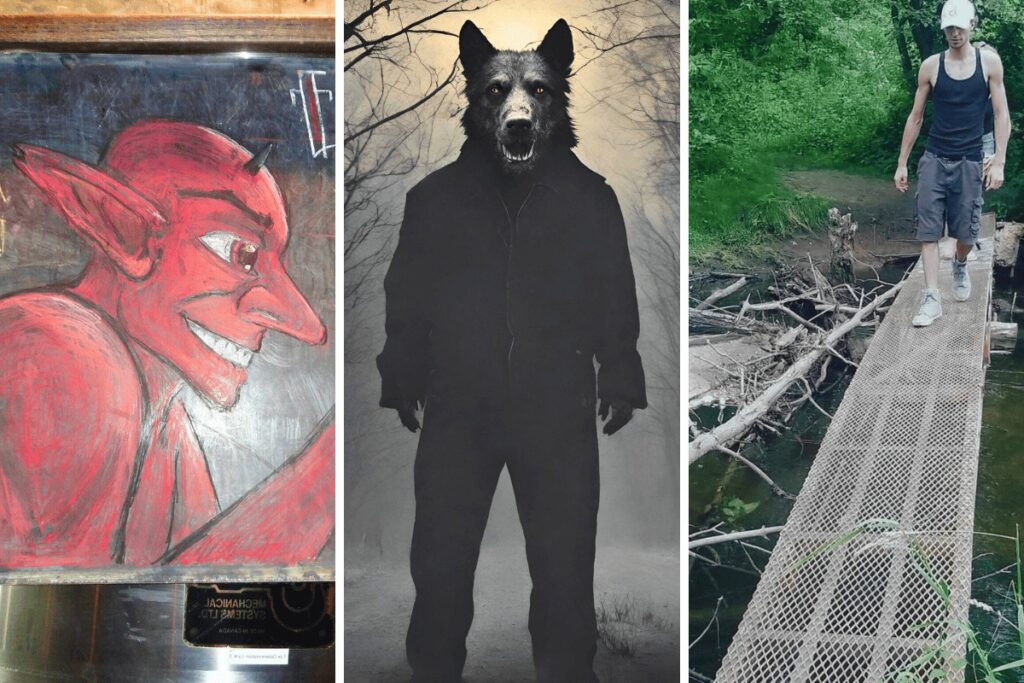
Urban legends sneak into conversations at sleepovers, around campfires, and now across social media feeds. These stories feel so real that you might catch yourself wondering if they actually happened to a friend of a friend. Yet most turn out to be modern folklore crafted from bits of truth, fear, and imagination. They thrive because they tap into everyday worries like crime, technology, or the unknown. In a fast-moving world, urban legends give us simple explanations and thrilling warnings wrapped in a neat twist ending.
People share them because the tales feel personal. Someone always knows someone who swears it’s true. That closeness makes urban legends spread like wildfire, even today. They reflect our collective anxieties while entertaining us. Whether you grew up hearing them or discovered them online, these stories stick with you long after the lights come back on.
Table of Contents
ToggleWhat Exactly Are Urban Legends?
Urban legends are short, gripping stories passed around as true events. They usually involve ordinary people in familiar settings your local mall, a quiet road at night, or even your own home. The plots often include a shocking surprise or moral lesson, but the details shift slightly with each telling.
What sets them apart from regular rumors is their structure. They almost always come with that “friend of a friend” tag. This little phrase makes the story feel authentic without tying the teller to any proof. Urban legends blend humor, horror, or disgust to make them memorable. They warn against bad decisions, like parking in dark spots or trusting strangers too quickly.
Unlike ancient myths about gods or heroes, these tales live in the present day. They use cars, mirrors, cell phones, or fast food things we all know. That everyday touch is why they feel believable, even when logic says otherwise. Folklorists study them because they reveal what scares us most as a society right now.
The History and Evolution of Urban Legends
The term “urban legend” first popped up in folklore studies around 1968. American folklorist Jan Harold Brunvand made it famous in 1981 with his book The Vanishing Hitchhiker. He showed that modern people still create and share folklore, just like their ancestors did centuries ago.
Before the internet, these stories traveled by word of mouth at parties or family dinners. Some trace back to real events that got exaggerated over time. Others started as jokes or warnings that took on a life of their own. As cities grew in the 20th century, the legends moved from rural ghost tales to stories about busy highways and apartment buildings.
Today, they evolve faster than ever. A story that once took months to spread across a country can explode globally in hours. Yet the core stays the same: a cautionary twist that makes you think twice before you act.
How Urban Legends Have Adapted Over Time
Early versions warned about new inventions like cars or elevators. Later ones tackled fears of crime waves or poisoned candy at Halloween. Now they tackle deepfakes, viral challenges, and anonymous online threats. The themes shift with society, but the storytelling magic remains.
Iconic Urban Legends That Still Terrify Us
Some urban legends refuse to die because they hit universal fears. Here are a few that have haunted generations.
The Vanishing Hitchhiker
A driver picks up a stranger on a rainy night. The passenger chats politely, gives directions, then suddenly disappears from the moving car. Later, the driver learns the hitchhiker died years earlier on that exact stretch of road. Variations place the ghost near cemeteries or after major disasters, like the 2004 tsunami in Thailand where tuk-tuk drivers reported vanishing tourists.
Bloody Mary
Stand in front of a mirror in the dark, say her name three times, and she appears. Some versions say she scratches your face or drags you into the mirror. Kids have dared each other with this one for decades. It plays on our fear of what might stare back when we’re alone with our reflection.
The Hook-Handed Killer
A young couple parks on a lonely lovers’ lane. They hear a radio report about an escaped murderer with a hook for a hand. Suddenly, something scrapes the car door. They speed away and later find a bloody hook hanging from the handle. The story dates back to the 1950s and may echo real unsolved crimes from that era.
The Killer in the Backseat
A woman drives home late and notices a car flashing its lights behind her. She thinks the driver is rude until she reaches a gas station and learns the stranger was trying to warn her: a man with a knife was hiding in her backseat. This legend has saved real lives in awareness campaigns.
Alligators in the Sewers
New York City residents flush baby alligators down toilets after they grow too big for apartments. The reptiles survive and breed in the warm sewers. Though experts say it’s impossible, the tale started from actual 1930s sightings of small gators in the system.
The Choking Doberman
A woman comes home to find her guard dog choking. At the vet, doctors pull human fingers from its throat. Police arrive to discover a burglar hiding in the house, missing several fingers. The story warns about home security while delivering a gruesome punch.
These classics keep changing new details added for modern cars or smartphones but the chills stay fresh.
Urban Legends Around the Globe
Every culture has its own versions. In Japan, Kuchisake-onna, the slit-mouthed woman, wears a mask and asks if she’s beautiful. Answer wrong and she attacks with scissors. School bathrooms in Japan also host Hanako-san, a ghost girl who answers if you knock on the stall door.
Mexico and parts of Latin America share tales of La Llorona, the weeping woman who drowned her children and now haunts rivers. In the Philippines, the manananggal a creature that detaches its upper body to hunt at night still appears in whispered warnings.
These local flavors show how urban legends adapt to regional fears while keeping the same storytelling DNA.
The Psychology Behind Why We Believe and Share Urban Legends
Urban legends work because they trigger strong emotions—fear, disgust, or relief. Psychologists note that disgusting or shocking details make stories more likely to stick in memory. We retell them to warn others, which feels good and builds social bonds.
They also help us process real anxieties safely. Worried about crime? The backseat killer legend lets you rehearse what you’d do. Scared of technology? A story about a cursed app feels controllable compared to actual data breaches.
The “friend of a friend” element tricks our brains into lowering skepticism. Plus, sharing a scary story releases adrenaline, which can feel exciting in a safe setting.
Urban Legends in the Digital Age
The internet supercharged these tales. Slender Man started as a 2009 Photoshop contest on a forum and grew into a global creepypasta phenomenon. It even inspired real-world copycats, showing how powerful these stories can become.
Today, TikTok and Reddit keep the tradition alive. A blurry video of “black-eyed children” at your door can rack up millions of views overnight. Chain messages about gang initiations have evolved into viral challenges with hashtags.
Modern twists include cursed apps, AI-generated ghosts in video calls, or warnings about hidden trackers in delivery packages. The speed of sharing means legends mutate faster, but fact-checkers like Snopes also debunk them quicker.
How to Spot and Debunk an Urban Legend
Look for red flags: vague details, no names or dates, and that “it happened to my cousin’s roommate” phrasing. If the story sounds too perfectly scary or ends with a neat moral, it’s probably folklore.
Before forwarding, search the key phrase on reliable sites. Most legends have been dissected many times. Asking “Does this help or just scare?” can stop the spread of harmless but misleading tales.
Conclusion
Urban legends endure because they do more than entertain they mirror our deepest worries while giving us a thrilling escape. From whispered ghost stories to viral TikToks, they connect us across generations and borders. Understanding where they come from and why we love them helps separate harmless fun from genuine dangers.
Next time someone shares a wild tale that “really happened,” smile, enjoy the shiver, and remember the best urban legends reveal more about us than about any monster in the dark. Stay curious, stay safe, and keep questioning the stories that refuse to fade away. The next legend might just be starting in your group chat tonight.