
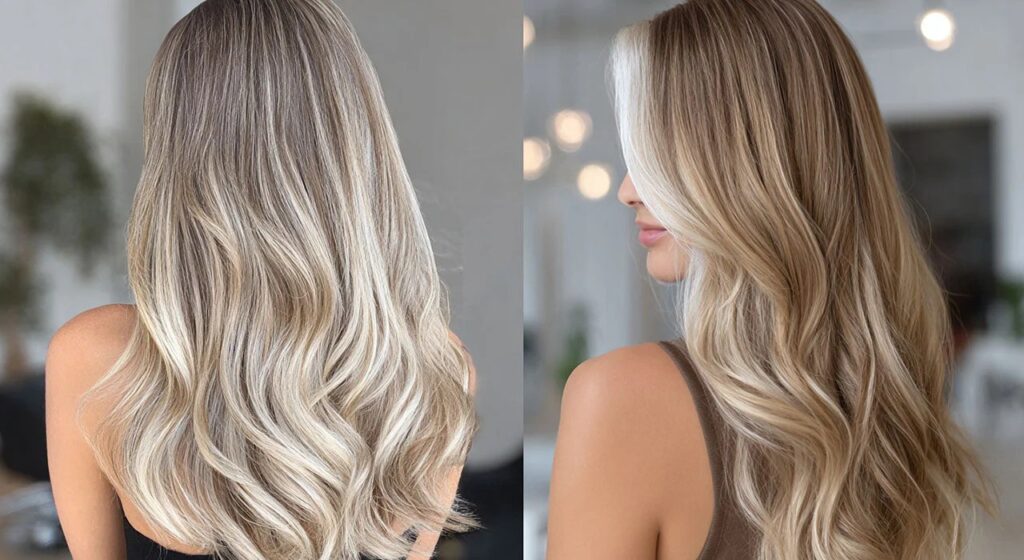
Ever stood in front of the mirror balayage thinking about lightening up the hair for a fresh look, but got stuck deciding between options? Many people face this choice when aiming to add some brightness without a full color overhaul. Balayage and highlights stand out as top picks for achieving that goal, each bringing its own style to the table. This post breaks down what sets them apart, from how stylists apply them to what results look like in everyday life. Readers will find details on pros, cons, costs, upkeep needs, and tips for matching the right technique to different hair types. By the end, the decision should feel clearer, based on real factors like lifestyle and preferences. All info comes from trusted sources in the beauty world, ensuring reliable advice for anyone considering a salon visit.
What Is Balayage?
This section explains the basics of balayage, a technique loved for its soft, blended effect.
Balayage comes from a French word that means to sweep or paint. Stylists use this method by hand-painting color onto strands, focusing on areas where sun might naturally lighten them. The result gives off a sun-kissed vibe, with lighter tones blending smoothly into the base color. Unlike older methods, no foils get involved here just freehand work for a custom touch. People often pick this for its effortless appearance, making locks seem brighter without sharp lines. It suits many who want subtle changes, as the color starts mid-length and fades toward the ends. Salons see it as versatile, working on short or long styles alike. The process might take a couple of hours, depending on thickness and length, but the outcome feels worth it for that natural glow. Trends show it pairing well with waves or curls to boost dimension.
Over time, balayage gained fans because it mimics how light hits strands outdoors. Think of beach days where tips get lighter from exposure that’s the goal. Stylists tailor it to face shapes, painting more around the front for framing. For darker bases, caramel or honey shades add warmth without overpowering. On lighter ones, ash or platinum tones create cool contrasts. Maintenance stays low since growth blends in, avoiding obvious roots. Costs vary by location, but expect to pay more for skilled hands. Beginners might start with partial versions to test the waters. Overall, it appeals to those seeking low-fuss color that enhances natural features.
What Are Highlights?
Here, the focus shifts to highlights, a classic way to add light and contrast to hair.
Highlights involve lightening specific sections using bleach or dye, often wrapped in foils for precision. This creates defined streaks that stand out against the base, adding brightness and depth. The technique allows for bold or fine placements, from chunky pieces to tiny babylights. Foils help isolate strands, letting color develop evenly from root to tip. Many choose this for a structured look that pops, especially in straight styles where lines show clearly. Sessions can run shorter than some alternatives, making it a go-to for quick updates. Variations include lowlights for darker accents or peekaboo for hidden surprises. It fits various goals, like covering grays or boosting volume visually.
Tradition keeps highlights popular, as they deliver noticeable changes fast. For example, blond streaks on brown bases create striking effects, while subtle ones soften features. Stylists weave sections carefully to avoid overlap, ensuring even lift. Upkeep involves regular visits to touch up roots, as growth shows more here. Prices tend to start lower per visit, appealing to budget-conscious folks. Those with fine textures benefit from added illusion of thickness. In salons, it’s often combined with other services for full transformations. The method requires care to prevent damage, so conditioning becomes key post-treatment.
Key Differences in Application Techniques
This part compares how stylists perform each method, highlighting the hands-on versus structured approaches.
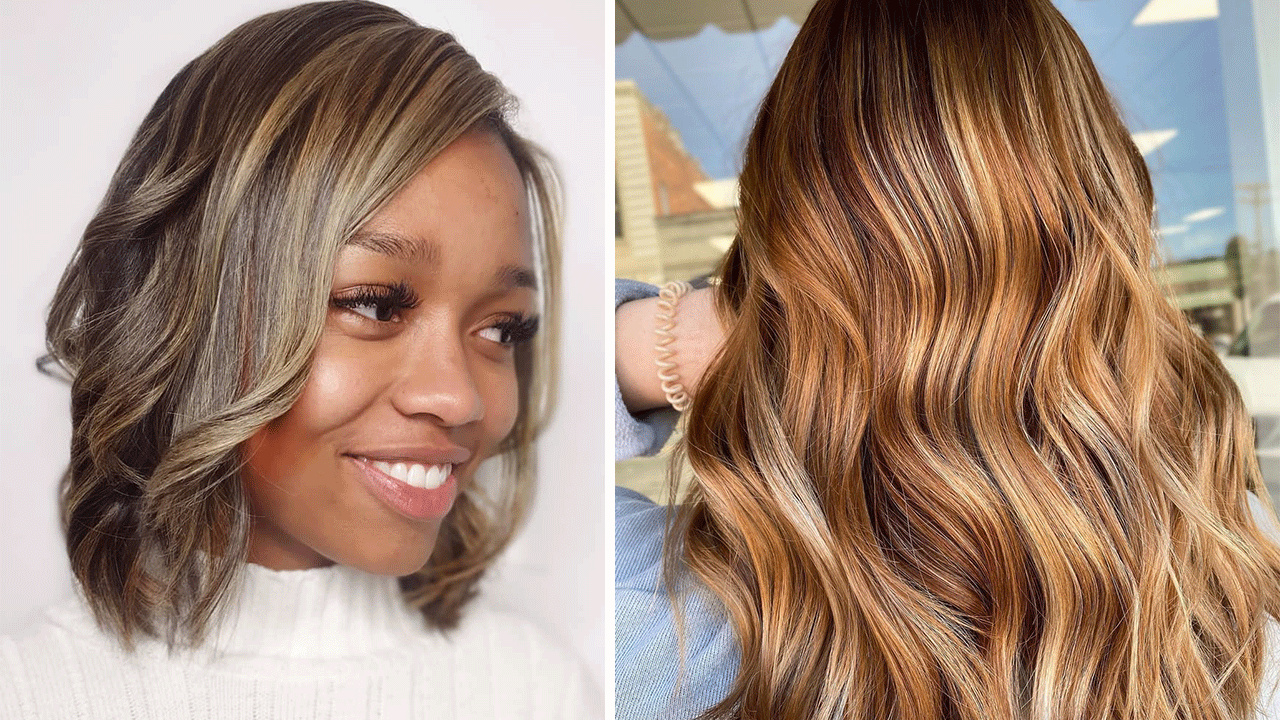
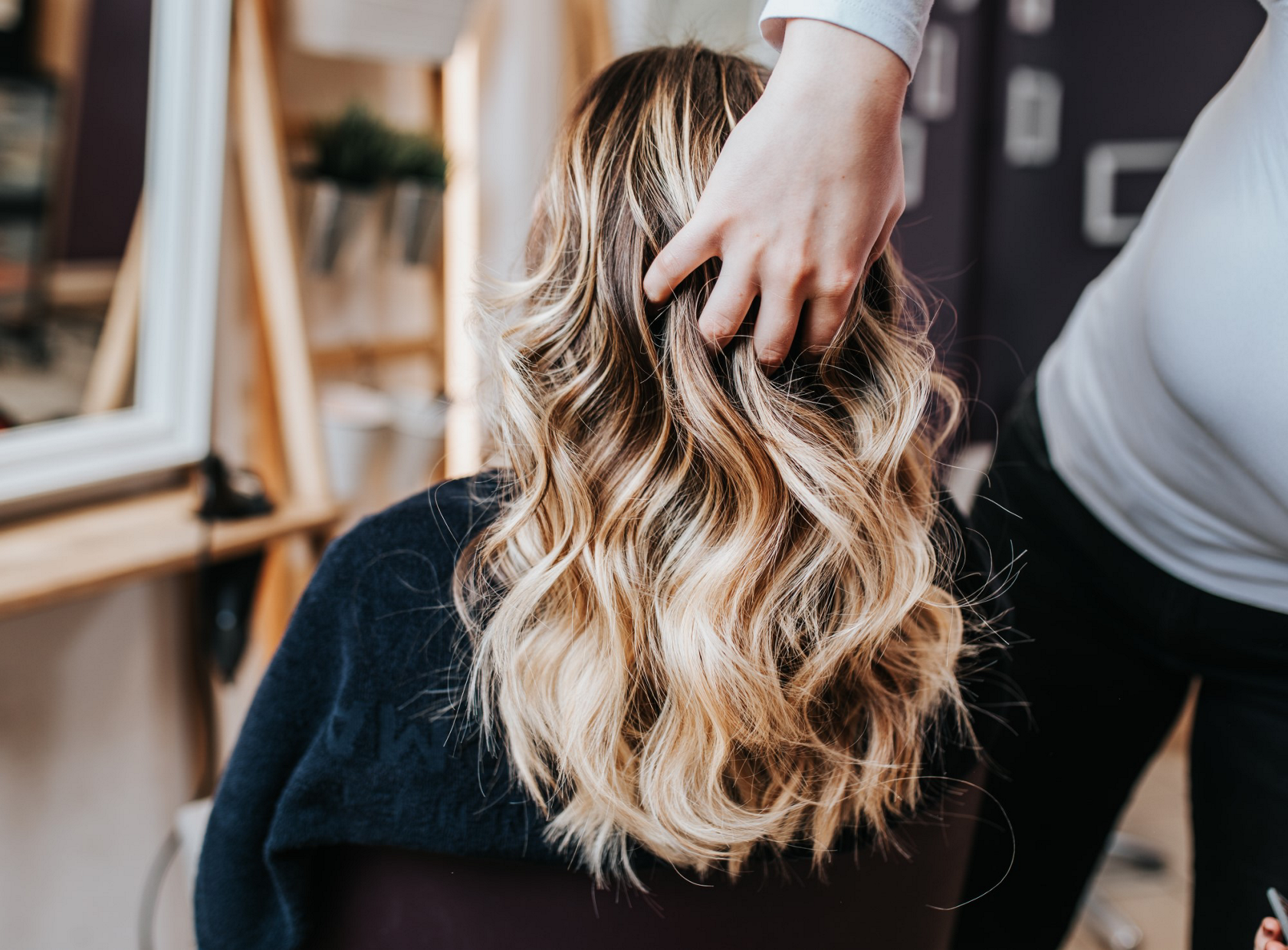
Application sets balayage apart with its freehand style. A brush sweeps color onto surface strands, concentrating on mids and ends for a gradient. No tools like foils restrict placement, allowing creativity based on how light falls naturally. Sessions last 90 minutes to three hours, including time for color to set and tone. Skill matters a lot, as even distribution relies on the stylist’s eye. Partial options target just the top or face-framing areas. This flexibility makes it ideal for personalized results, adapting to curls or layers easily. In contrast, highlights use foils to wrap selected sections after applying lightener. The foil traps heat, speeding up processing for uniform lift. Weaving techniques pick thin or thick strands, controlling intensity. Time varies: partial might take 30-40 minutes, full up to four hours. Precision ensures no bleeding, but it feels more regimented than painting.
Both methods aim to lighten, yet the tools change the feel. Balayage offers artistic freedom, while highlights provide control for consistent outcomes. For instance, foils suit those wanting exact placements, like around the crown. Hand-painting excels in blending for seamless transitions. Damage potential differs too foils might cause more from enclosed heat, though modern formulas help. Choosing depends on the desired end look and stylist’s expertise. Many salons train in both, so discussing goals upfront leads to better matches.
Appearance and Results Comparison
Learn about the visual outcomes, from natural blends to bold contrasts.
Balayage delivers a soft, lived-in appearance with gradients that fade gently. Colors merge without harsh edges, creating multidimensional depth like sun exposure. It’s subtle, enhancing base tones rather than overpowering them. On brunettes, warm caramels add glow; blondes get cooler ashes for edge. The effect lengthens shorter cuts visually and adds movement to waves. Highlights, however, produce defined streaks with clear separation. They brighten dramatically, especially in full applications covering most strands. Chunky versions make statements, while fine ones mimic subtlety. The structured pattern suits polished styles, showing best in straight or sleek hair. Both boost shine, but highlights often appear more vibrant due to root involvement.
Results influence daily styling too. Balayage holds up in updos or ponytails without obvious lines, blending naturally. Highlights might reveal patterns more, adding interest in braids or twists. Long-term, balayage grows gracefully, while highlights show demarcation sooner. Examples include celebrity looks: balayage on beachy waves for casual vibes, highlights in sleek bobs for chic appeal. Personal taste guides preference subtle for everyday, bold for impact. Either way, both elevate texture and color play.

Maintenance Requirements Explained
Balayage needs less frequent salon trips, often every three to four months. Growth blends softly, hiding roots without stark contrasts. At-home care includes color-safe shampoos and conditioners to preserve tones. Avoiding heat tools helps, or using protectants when styling. Touch-ups focus on refreshing ends or adding dimension, keeping costs down over time. This suits busy schedules, as the style evolves naturally. Highlights demand more attention, with visits every six to eight weeks for root work. Regrowth appears noticeable, especially on darker bases. Routine involves toners to combat brassiness and deep treatments for moisture. Partial highlights ease this somewhat, but full ones require commitment. Both benefit from UV protection to prevent fading.
Proper habits extend longevity for either. Washing less often, in cool water, locks in pigments. Masks once a week restore strength after lightening. Stylists recommend glosses between appointments for shine. For balayage, the low-key nature means fewer products; highlights might need purple shampoos for cool tones. Tracking changes helps plan visits photos show when refresh time arrives. Overall, matching maintenance to lifestyle prevents frustration and keeps hair looking great.
Cost Breakdown and Value
This section covers pricing and long-term expenses for informed budgeting.
Initial costs for balayage range from $150 to $400, influenced by salon, location, and experience level. The technique’s intricacy justifies the price, as it demands artistry. Touch-ups cost similarly but occur less often, saving money yearly. Highlights start at $75 to $200 per session, making them accessible upfront. However, frequent visits add up every few weeks means higher annual spends. Partial options lower bills for both, ideal for testing. Luxury spots charge more for either, while local places offer deals.
Value comes from durability and satisfaction. Balayage provides better return for low-maintenance seekers, despite steeper starts. Highlights suit those okay with regular upkeep for bold effects. Factor in products: both need special care items, around $20-50 monthly. Bundling services like cuts reduces totals. Researching reviews ensures quality matches price. In the end, choosing aligns with how often someone plans salon time and desired longevity.
Suitability for Various Hair Types
Discover which technique fits different textures, lengths, and colors.
Balayage adapts well to most hair, shining on wavy or curly types where blends enhance movement. For fine strands, it adds volume illusion without weight. Darker colors benefit from subtle lifts, like honey on brunettes. Shorter lengths gain elongation effects, while long ones show gradients fully. Straight hair works too, though waves bring out depth better. Highlights excel on straight textures for visible streaks, breaking up flatness. Thick hair gets lightened density, adding airiness. Lighter bases take bold contrasts easily, but dark ones need careful lifting to avoid damage. Both handle grays: balayage blends them softly, highlights cover more directly.
Length plays a role short cuts favor highlights for structure, long favor balayage for flow. Curly folks might prefer balayage to avoid foil crunching coils. Fine hair risks over-processing with highlights, so gentler balayage appeals. Consulting assesses porosity and health first. Examples: balayage on lob cuts for sunlit tips, highlights on pixies for edgy pops. Matching to natural state ensures lasting results without strain.

Pros and Cons of Balayage
Weigh the advantages and drawbacks of this hand-painted method.
Balayage stands out for its natural finish, mimicking sun effects without effort. Low upkeep means fewer appointments, fitting packed calendars. Customization allows tailoring to features, like brighter face frames. It’s gentler overall, saturating less and reducing damage risk. Versatility spans colors and styles, from subtle to vibrant. On the flip side, sessions take longer, testing patience. Higher prices deter some, especially for full applications. Finding a talented stylist proves key, as poor work shows unevenly. Limited drama suits not those craving big shifts. Despite cons, many value the seamless growth and effortless charm.
Pros extend to gray blending, hiding silvers naturally. It pairs with layers for enhanced texture. Cons include potential for underwhelming results on very short hair. Weighing these helps decide if the relaxed vibe fits daily routines.
Pros and Cons of Highlights
Examine the strengths and weaknesses of this foil-based approach.
Highlights offer versatility, creating everything from fine glows to chunky statements. Affordable starts make them approachable for beginners. Quick applications suit time-crunched visits. Bold changes transform looks fast, boosting confidence. They add dimension effectively, especially for flat or dull strands. Downsides include higher maintenance, with roots demanding attention soon. Potential damage from bleach calls for extra care. Structured lines might feel less modern to some. Frequent toning combats fading or brass. Still, the control over placement appeals to precision lovers.
Strengths shine in gray coverage, lightening evenly. Weaknesses appear in curly hair, where foils might disrupt patterns. Balancing these guides toward highlights for impactful, defined styles.
How to Choose Between Balayage and Highlights
Get guidance on deciding based on personal factors.
Start by considering lifestyle low maintenance points to balayage, while willingness for regular visits favors highlights. Desired look matters: natural and soft for one, structured and bright for the other. Hair health influences too; damaged strands might prefer gentler painting. Budget over months counts more than single costs. Try partial versions first to sample. Talk to stylists about goals, showing photos for clarity. Factor in texture curls lean balayage, straight suits either. Seasonally, summer sun-kissed vibes match balayage, winter bold fits highlights.
Testing swatches helps visualize. Reading reviews on local experts ensures good outcomes. In the end, the choice boosts how hair feels day-to-day.
Combining Balayage and Highlights for Custom Looks
Explore hybrid techniques that merge both for unique results.
Many stylists blend methods in foilayage, using foils for precision then painting for softness. This creates dimension with low upkeep. Roots get highlighted for lift, mids and ends balayaged for blend. It suits undecided folks wanting best of both. Babylights combine fine highlights with painted accents for subtle glow. Reverse balayage adds darker tones over light bases. These hybrids adapt to trends, like dimensional blondes. Maintenance falls in between, every two months or so. Costs reflect complexity, but results justify it for personalized flair.
Examples include caramel blends on brunettes or ash tones on grays. Consulting unlocks options tailored to needs.
Current Trends in Hair Coloring for 2025
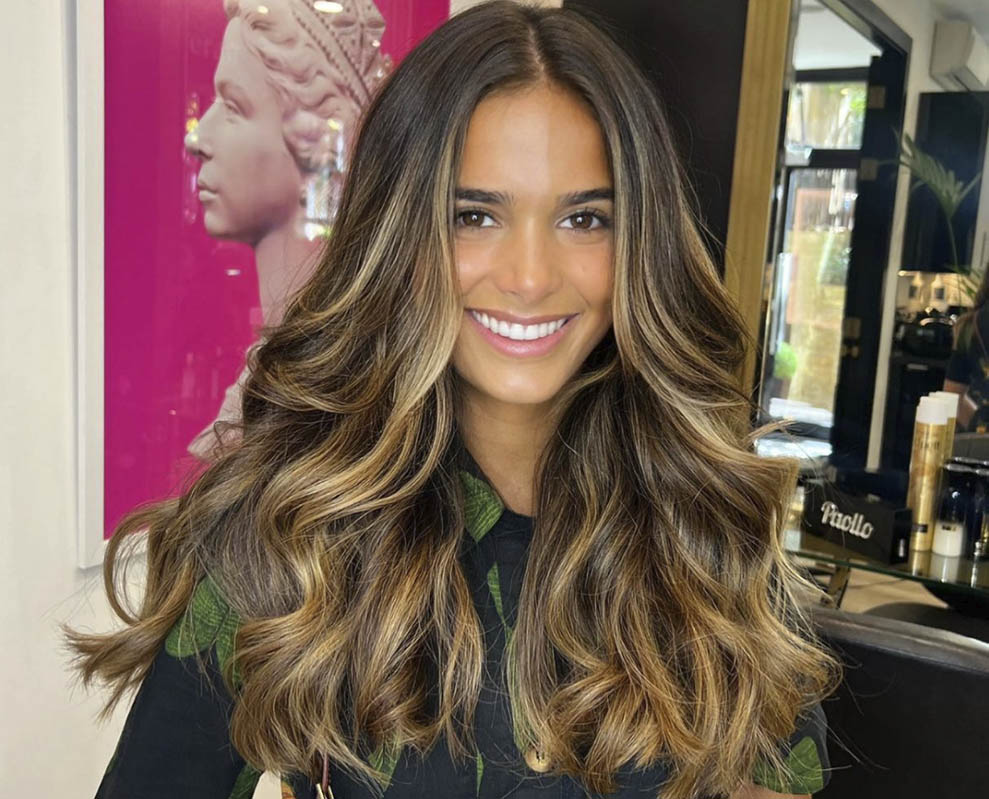
In 2025, lived-in colors dominate, favoring balayage for effortless blends. Face-framing pieces mix highlights around the front for glow. Soft caramels on dark hair use balayage for warmth. Blonde trends lean dimensional, combining both for depth. Natural transitions like sombré soften ombré with painted gradients. Eco-friendly formulas gain traction, suiting gentle methods. Short styles incorporate chunky highlights for edge. Curls see more balayage to accent coils without damage. Social media drives custom looks, inspiring hybrids.
Conclusion
Balayage and highlights each bring unique benefits to hair coloring. Balayage offers natural, easy-care gradients ideal for subtle enhancements. Highlights provide bold, defined brightness for those seeking impact. Differences in application, upkeep, and cost guide choices based on lifestyle and hair needs. Hybrids expand possibilities for custom results. Trends evolve, but core techniques remain timeless. Selecting comes down to preferences and professional input. With right care, either refreshes appearance confidently.