
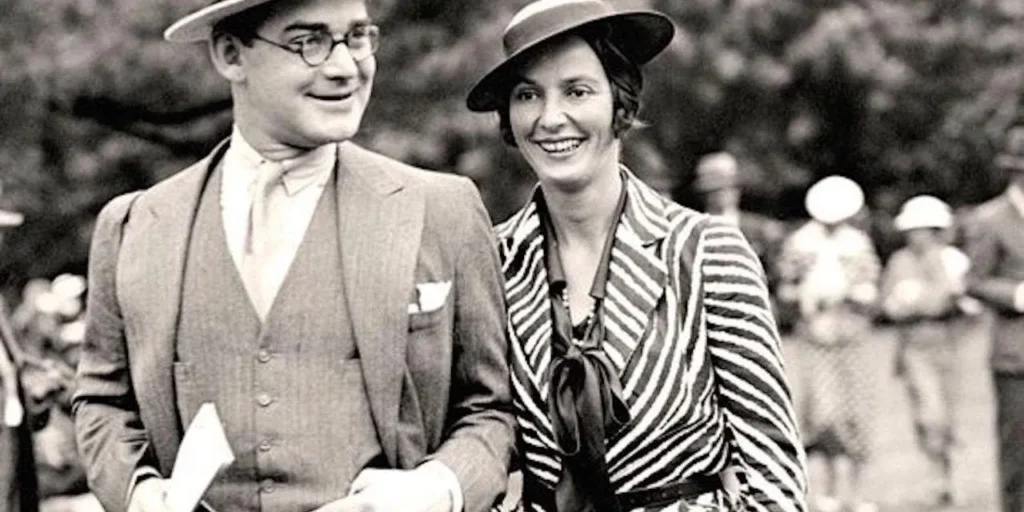
The 1930s fashion brought clear changes to clothes. The Great Depression started in 1929 and made money very tight. Families needed to save on every purchase. People fixed old clothes instead of buying new ones. Women chose longer dresses that reached mid calf. The bias cut let fabric fall softly over the body. This created a gentle shape. Men kept wearing suits for work. The jackets showed wider shoulders. Children got simple outfits that lasted long. Movies from Hollywood gave ideas for nicer looks. Stars wore beautiful gowns on screen. Many people tried to copy those styles at home. Sewing patterns from catalogs helped women make their own dresses. Rayon fabric became popular because it cost less than silk. The era mixed careful saving with a wish for nice appearance.
The Background Of 1930s Fashion
Hard times shaped every choice in 1930s fashion. Unemployment stayed high for many years. Families repaired garments again and again. Women learned to add new collars to old dresses. Magazines printed tips for updating outfits without much spending. Paris designers still led some trends. American styles grew more important. People shopped at local stores for lower prices. The focus stayed on clothes that lasted. Comfort mattered during long work days. The stock market crash changed daily life fast. Fashion became practical yet pretty. Women wanted outfits that suited new jobs in offices. The shift created softer lines than the 1920s.
Clothes Women Wore In The Daytime
Daytime outfits stayed neat and useful. Women picked tailored suits for office work. Jackets fit close to the body. Skirts fell below the knee. Blouses came in soft shades. The look felt professional and tidy. Dresses often buttoned down the front. Belts marked the waist clearly. These styles worked well for walking and daily tasks. Shoes stayed low for easy movement. Many women now held jobs outside the home. They needed clothes that handled full days. Suits gave a strong image. Printed dresses suited errands around town. The designs avoided extra details to match the times. Women mixed pieces to stretch their wardrobes.
Dresses And Suits
Dresses showed simple cuts in the 1930s fashion. Many reached just below the knee. Suits paired jackets with matching skirts. Fabric felt thick and strong. Women added scarves for bright touches. The full outfit looked complete. Home sewing patterns made copying easy. Suits appeared polished for business. Dresses used the bias cut for smooth flow. The shape flattered most figures. Care stayed simple with basic washing. These items formed the base of daily wear.
Evening Wear For Women
Evening events called for special gowns. Long dresses reached the floor in many cases. Fabric draped in soft folds. Some gowns added sequins for light sparkle. Necklines stayed modest in front. Backs often showed more skin. Women wrapped shawls over their shoulders for cool nights. These looks shone at dances and parties. Hollywood films displayed grand versions. Viewers copied parts of the gowns at home. Softer materials created elegant movement. The designs brought out feminine grace. Evening wear lifted moods when days felt heavy.
Sportswear And Swimwear In 1930s Fashion
Sports grew popular in the 1930s fashion. Women wore shorter outfits for tennis and golf. Shorts appeared on courts for the first time. Bathing suits became backless to allow sun on the skin. The suits fit close to the body. Sunbathing turned into a new trend. Playsuits combined shorts with tops for casual days. These clothes allowed free movement. People enjoyed outdoor time more. The styles stayed modest enough for public wear. Sportswear added fun to limited budgets.
Accessories Women Used
Hats finished most outfits in 1930s fashion. Small hats sat tilted on the head. Some styles covered one eye. Gloves matched dress colors exactly. Handbags stayed small for daily use. Shoes showed low heels and cut out details. Belts pulled in the waist. Scarves brought color pops. Jewelry used simple pearls or clips. The pieces worked for day or night. Women chose items that lasted years. Accessories tied whole looks together neatly.
Fashion For Men
Men kept a steady look through the decade. Suits formed the main outfit for work. Jackets gained broad shoulders. Trousers fell straight without much taper. Shirts stayed white or pale. Ties added small patterns. Hair stayed short and combed back. The full style looked clean and sharp. Men repaired suits to make them last. The professional image stayed important. Suits worked for offices and some factory roles.
Suits And Hats For Men
Suits used wool for cooler months. Dark colors suited everyday wear. Fedora hats topped the head outdoors. Overcoats added layers against wind. Felt hats kept shape well. The complete set created a solid appearance. Men polished shoes each morning. Ties stayed narrow and simple.
Shoes And Other Footwear
Footwear focused on strength in 1930s fashion. Women chose low heels between one and two inches. Oxfords worked for daily steps. Two tone colors added interest. Men wore sturdy oxfords too. Children picked lace up shoes that held up. Leather formed the main material. Rubber soles helped on wet ground. People kept shoes clean with regular polishing. The designs matched outfit tones. Comfort beat high fashion in choices.
Hairstyles And Makeup Styles
Women shaped hair into soft waves. Finger waves created nice patterns. Hair reached shoulder length often. Makeup looked natural overall. Red lips stood out clearly. Eyebrows stayed thin and shaped. Powder smoothed the skin. Men slicked hair straight back. Magazines gave simple steps for home styling. The looks improved natural faces. Makeup stayed light to save money.
The Influence Of Movies On 1930s Fashion
Movies changed how people thought about clothes. Hollywood stars set new standards. Greta Garbo showed elegant gowns. Jean Harlow wore shiny dresses. Clark Gable modeled sharp suits for men. Shirley Temple inspired girls with cute frocks. Films offered escape from daily worries. Audiences left theaters wanting similar styles. Costume designers created looks that reached everyday life. Women copied gown shapes at home. Men noted jacket cuts. The screen made glamour feel close.
Fabrics And Materials In The Decade
Fabric choices reflected tight budgets. Rayon gave a silk feel for less cost. Cotton suited house dresses and shirts. Wool kept suits warm in winter. Silk saved for special evenings. New synthetics entered stores. Prints brought patterns to plain bases. Factories made more affordable options. Materials washed clean at home. Durability decided most purchases.
How 1930s Fashion Differed From The 1920s
The 1920s showed short flapper dresses with loose shapes. The 1930s dropped hemlines and returned natural waists. Curves gained notice after boyish lines. The economic crash shifted priorities to saving. Wild parties gave way to careful choices. The 1920s favored bright energy. The 1930s stressed quiet grace. Styles matched the changed world mood.
Fashion For Children
Children wore practical clothes in 1930s fashion. Boys got short pants with shirts. Girls wore dresses with smocking details. Outfits passed from older to younger siblings. Shoes stayed sturdy for play. Mothers sewed many items at home. School clothes looked neat but simple. The styles taught value of reuse.
House Dresses And Daily Home Wear
House dresses filled mornings at home. These simple frocks buttoned easily. Fabric felt cool and washable. Women wore them for cooking and cleaning. Patterns kept the look fresh. The dresses allowed quick movement. Many versions came from catalogs. Home wear stayed separate from street outfits.
The Later Part Of The Decade
Later years brought small shifts in 1930s fashion. Shoulders started to pad for structure. Skirts showed slight flares. Colors grew a bit brighter. War clouds gathered by the end. Production began to change. Styles hinted at the coming 1940s. Practical beauty continued to rule.
Conclusion
The 1930s fashion teaches lessons about grace in tough times. People created beauty with limited means. Longer lines and soft cuts replaced short flapper looks. Hollywood films spread ideas far and wide. Men women and children all felt the effects. Readers gain clear facts about daily suits evening gowns and sportswear. The knowledge helps when watching old movies or studying history. One understands why clothes changed after 1929. The era proves that style can stay strong even when money stays low. This guide gives beginners a solid base. Use the details to spot 1930s fashion in photos or stories. The summary shows real value for anyone curious about past ways of dressing.